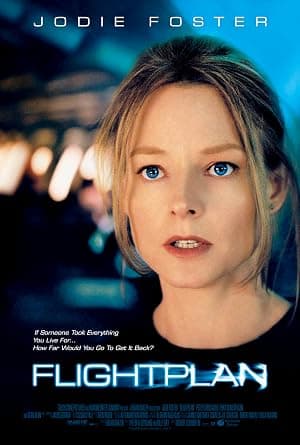
Flightplan
A panicked mother. A plane full of sceptics. Flightplan is a mid‑00s thriller that still bets everything on one woman's refusal to be ignored.
Feature presentation
You know that tiny, nauseous moment when you wake on a plane and the world feels slightly off? Flightplan takes that exact sensation and stretches it into a full‑blown puzzle. Its engine is simple: Kyle Pratt wakes mid‑flight to discover her child missing, and nobody — at first — believes her. The rest is a ninety‑eight minute sprint through maternal fear, acute mistrust and the claustrophobia of an aircraft where every corridor could hide an answer.
THE MOVIE
Kyle Pratt is still the reason this movie works
Flightplan starts with a clean, stomach‑tight conceit: Kyle Pratt wakes from a nap on an overnight transatlantic flight and realises her six‑year‑old daughter is gone — and there’s no obvious record that the child even boarded. That instant sets the whole movie humming.
What gives the story its charge is the way Kyle is written: an aircraft engineer and a recent widow, so she has the technical knowhow to poke around the plane and the emotional rawness that makes every unanswered question punch harder. Jodie Foster plays that role, and the film places the audience where she sits — alternately confident and completely unmoored.
Robert Schwentke directs a tight, compact picture — ninety‑eight minutes of claustrophobic mystery released in 2005 — which marries the practical business of searching an airliner with themes of maternal anxiety, grief and a post‑9/11 nervousness about airports and strangers. The filmmakers even built full interior sets of the double‑decker plane and leaned on James Horner’s score to mix music and sound design into the panic.
THE SETUP
The idea that sets Flightplan in motion
At its simplest, Flightplan is a locked‑room mystery that happens to be a locked room at thirty thousand feet. The inciting image — a mother waking to an empty seat and no record of her child — is deliberately plain and immediately unnerving.
That straightforward missing‑child puzzle is complicated by a darker thread: a ransom and extortion scheme. The story gradually reveals that people aboard the aircraft may be working together to hide explosives and to make Kyle look unstable, turning the investigation into something both practical and conspiratorial.
A key reason the plot keeps moving is that Kyle is not helpless: she’s an aircraft engineer. The script makes use of that competence through searches of the passenger deck, overhead crawlspaces and the lower avionics and freight areas, so the tension is often about where she can — and cannot — go on the plane.
There’s also an explicit nod to a classic thriller move: the idea of a passenger disappearing and everyone else denying it. That Hitchcockian trace gives Flightplan a familiar shape while letting it play with the specific anxieties of flying in the 2000s.
THE CHARACTER
Why Kyle Pratt matters
Kyle Pratt isn’t just a frightened mother — and that’s crucial. The screenplay gives her a job that matters to the plot: she’s an aircraft engineer. That bit of business means she can read instruments, knows where panels hide and can move through the plane with purpose, which keeps her active instead of merely reactive.
At the same time Kyle is a recent widow, and the film uses that grief to make her vulnerable in ways that go beyond the missing‑child setup. People around her read her instability into her sorrow, and that uncertainty — is she struggling because she’s traumatised or because something genuinely terrible has happened? — is the engine of the drama.
Those two poles — capability and vulnerability — are what make Kyle memorable. She’s not a blank conduit for fear; she’s someone whose background informs every choice she makes on the aircraft.
Contemporary comparisons to Panic Room are telling here: both films put Jodie Foster in a position where she must defend a child or fragile space under acute threat, and Flightplan borrows that same single‑character focus to drive its suspense.
THE PERFORMANCE
Why Jodie Foster's performance matters
Contemporary reviewers made a point of Foster’s centrality to the film’s success. The critics singled her out as the element that keeps the engine running — she’s the character the audience has to believe in for the story to work.
Roger Ebert, for instance, drew attention to the acting when he praised the movie, describing it as frightening while also endorsing the plotting. That kind of critical emphasis matters because Flightplan is a one‑woman ignition: if the audience stops trusting Kyle, the whole structure creaks.
The screenplay gives Foster a clear set of demands — to be technical, to be emotionally naked and to withstand constant questioning — and contemporary coverage suggests she met those demands in a way that made the film’s scares convincing to many viewers.
Put simply: the movie rests on Foster being someone you’ll follow down narrow aisles and into crawlspaces. Critics’ attention to her work helps explain why so many viewers were willing to do that.
UNDER THE SURFACE
Flightplan has more on its mind than the plot suggests
On the surface it’s a missing‑child thriller. Beneath that surface, Flightplan is interested in maternal anxiety — the particular terror of having to protect a child in a place where escape is difficult and options are limited.
Grief and trauma are threaded through Kyle’s actions. Her widowhood isn’t decoration: it changes the way other characters interpret her, and it alters how she perceives the world. The film asks whether being bereaved makes someone more vulnerable to being doubted.
That doubt slides the story towards paranoia and mistrust: who do you believe when a whole plane seems set against you? The plot intentionally plays with institutional scepticism — crew, authorities and fellow passengers who treat her with suspicion.
Finally, Flightplan wears the post‑9/11 moment on its sleeve. Airport security fears and a culture that grew more suspicious of strangers in the mid‑2000s give the film a topical edge, and the closed environment of an aircraft intensifies all of those anxieties.
THE FILMMAKING
How Flightplan was put together
A good half of Flightplan’s tension comes from the physical limitations of its setting, and the filmmakers treated that constraint seriously. Production designers built full interior sets of the fictional double‑decker Elgin E‑474 so the camera could move where the story needed it.
Those sets weren’t glued together like a static soundstage: walls and ceilings were hinged and camera‑dolly tracks were integrated so Schwentke could shoot the cramped aisles and crawlspaces from a variety of angles without breaking the illusion of a continuous plane.
That construction gives the movie a tangible, lived‑in feel; you believe the routes Kyle takes because they were built to be traversed. The confined geography becomes a character in itself.
Still, contemporary reviews were mixed about the result. Some critics praised the direction for making the most of the set and Foster’s presence, while others found the screenplay’s implausibilities harder to forgive.
PRACTICAL EFFECTS
The effects work that gives Flightplan its physical personality
Flightplan blends models, practical sets and digital touch‑ups rather than relying on one technique. Most exterior shots of the aircraft came from a one‑tenth scale model that was later enhanced with CGI.
For the explosion sequence in the cockpit/avionics area the production built a one‑half scale avionics set so they could stage a larger, more cinematic practical fireball and damage, then augment that with digital effects where necessary.
Back inside the cabin, authenticity was boosted by using real aircraft components — seats and galleys supplied by aerospace vendors — which helped the interior sets read as believable aircraft rather than studio simulacra.
Those choices give the movie a mix of physical presence and modern post‑production polish, which suits a film that wants its danger to feel both visible and immediate.
PURE 00s
Flightplan could not belong to any other decade
There’s a very specific mid‑00s sensibility running through Flightplan: it’s a studio thriller conscious of the security anxieties that followed September 11. The screenplay and filmmakers explicitly folded those tensions into the story, making airports and air travel a source of suspicion rather than mere setting.
It’s also a product of the studio system of the time — a Touchstone/Imagine production distributed by Buena Vista — and it bears the polish of a picture built to be straightforward, crowd‑pleasing and briskly paced.
James Horner’s score is a neat period detail too: released with the film in September 2005, it deliberately mixes unusual instrumentation and sound design to push the audience toward panic rather than conventional melodic comfort.
All of that places Flightplan squarely in the mid‑00s: a movie aware of its moment and shaped by the industry practices and public anxieties of its release year.
THE LEGACY
Why Flightplan still matters
Flightplan mattered at the box office. It opened at number one in North America and went on to gross over $220 million worldwide, which is a tidy measure of how the premise connected with audiences.
The film’s genre credentials were also recognised within the community of speculative cinema — it picked up nominations at genre‑focused awards such as the Saturns — which shows it found a place among contemporaneous thrillers.
It also provoked debate. Contemporary coverage and trade press noted audience discussion and dispute about how flight attendants and airline personnel were depicted onscreen, and that conversation even produced calls for boycotts from some unions.
Taken together, commercial success, genre recognition and public argument explain why Flightplan hasn’t disappeared from the conversation: it wasn’t a small picture, and it raised enough provocative material to keep people talking.
THE VERDICT
Does Flightplan still hold up?
Yes — with a qualifier. If you come for a taut, claustrophobic ninety‑eight minute thriller anchored by a central performance, Flightplan delivers. The engine is obvious: a mother wakes mid‑flight to a missing child and must both find her and prove she’s sane. That compact premise keeps the pressure focused and propulsive.
The movie leans on a closed‑environment mystery — crawlspaces, a lower avionics deck, the pressured corridors of a large airliner — and it makes good use of Kyle’s technical knowhow to keep the story moving. The added layer of a ransom/hijacking plot gives the stakes a physical, explodable urgency rather than mere paranoia.
On the other hand, the screenplay’s implausibilities were a common complaint at the time and they remain the element most likely to pull someone out of the ride. If you demand airtight logic from every twist, the film will occasionally test your patience.
For most viewers, though, the combination of Jodie Foster’s central turn, the constrained setting and the post‑9/11 unease woven through the story is enough to recommend it. It’s not flawless, but it is effective: a compact mid‑00s thriller that still knows how to make you squirm in your seat.
Share this movie
Keep watching
More movies from the 00s

2002
The Pianist
A quiet life unmade by war — and a pianist who refuses to stop listening.
Read the retrospective
→
2006
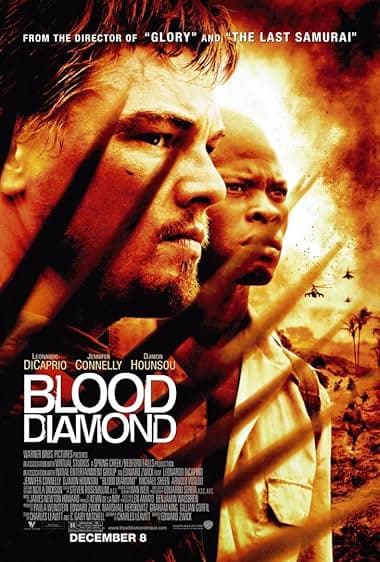
Blood Diamond
A mercenary, a fisherman and a pink diamond — and a film that still asks who pays for our jewellery.
Read the retrospective
→
2003
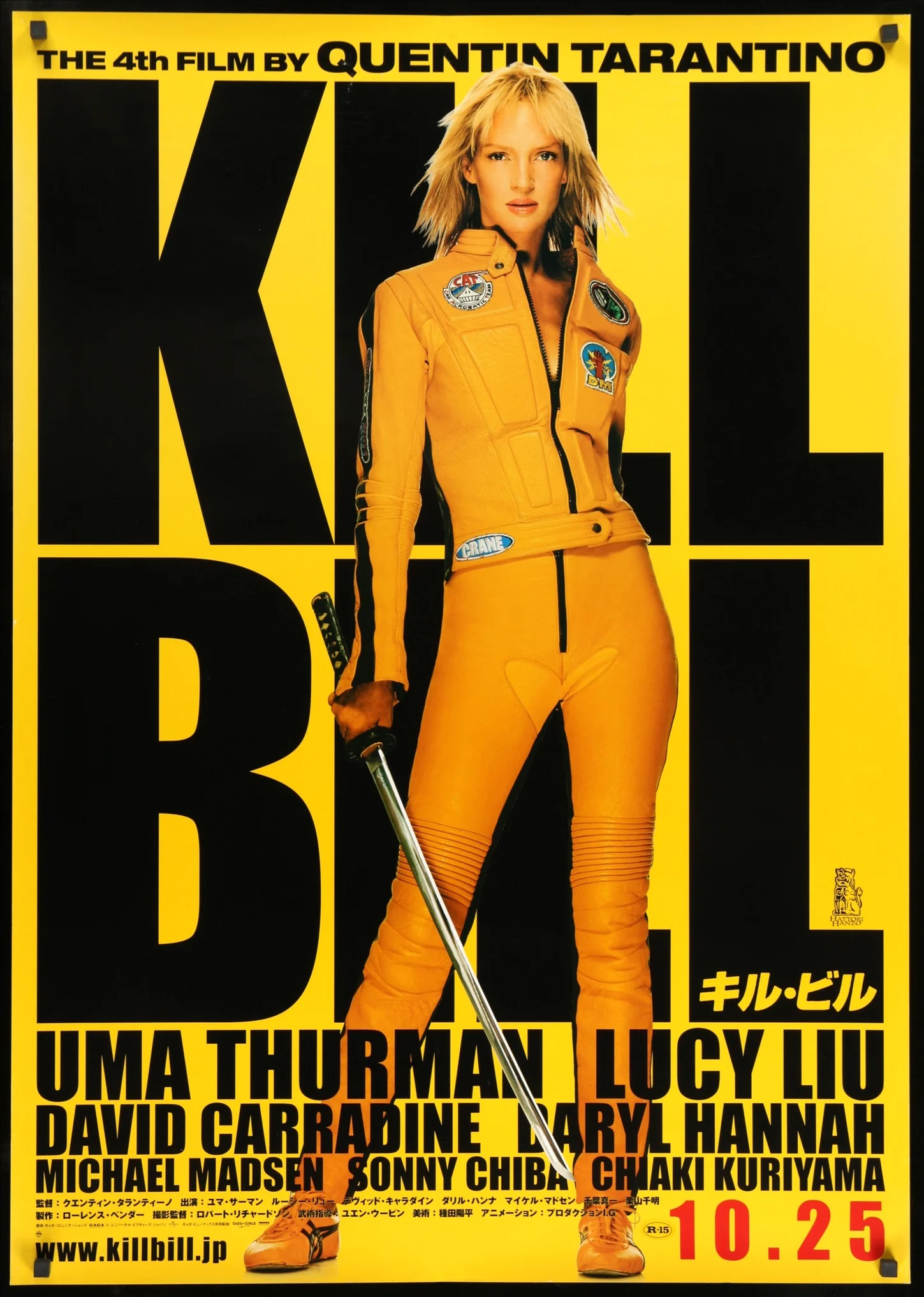
Kill Bill: Volume 1
A yellow jumpsuit, a long list of enemies and one woman who refuses to be finished.
Read the retrospective
→