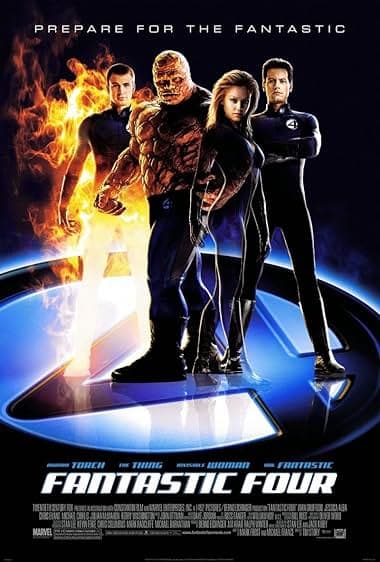
Fantastic Four
A stretched-out genius, a bloke made of rock and a bloke on fire — and Reed Richards holding the whole thing together.
Feature presentation
Remember Fantastic Four as the one with stretchy limbs, awkward public demos and that brutal Thing suit? Revisit it and you discover a movie that’s at heart about a scientist who will do anything to make his experiment work — and the messy family that forms when it all goes wrong. Tim Story’s 2005 take is loud, occasionally clumsy, but oddly loyal to the comic idea that superpowers are as much about people as spectacle.
THE MOVIE
Reed Richards / Mr. Fantastic is still the reason this movie works
Fantastic Four is, first and always, Reed Richards’s story. He’s the engine: a driven scientist whose dry practical need for funding pushes him into a deal that none of the others expect to make. That desperation — the sort that makes you say yes to an industrialist known for taking chances — is what gives the film purpose beyond capes and explosions.
From there the plot does what origin tales do best: it rearranges ordinary lives. Reed, Susan, Johnny and Ben are all ordinary in their ways until a funded space experiment becomes their crossroads and they come back changed. The movie keeps returning to that one, high-stakes idea — one mission, everything altered.
If you want reasons to rewatch, start with that tidy centre: a group of people forced into new roles because one scientist couldn’t quite let the project die. It’s a compact, properly comic-book premise wrapped in a 106-minute summer picture from Tim Story.
THE SETUP
The idea that sets Fantastic Four in motion
The film rests on a single clear conceit: a funded space mission goes wrong and the team returns with powers. That neat origin — a space-borne storm upsetting everything — keeps the story focused and gives each character a simple before-and-after to play against.
What follows is part who-am-I and part how-do-we-work-together. Public demonstrations of new abilities crop up repeatedly, which makes sense for a movie that needs to show the audience who these people now are and what they can do.
At the same time, the plot runs a parallel: Victor von Doom starts as the financer and rival and becomes the antagonist after the same accident gives him dangerous abilities. That mirror arc — financier turned nemesis — gives the conflict personal teeth.
Put simply: the setup works because it bundles origin, immediate stakes and a villainous flip into one tidy package. It’s an origins picture that wants to introduce characters and then throw them at each other in ways that force them to grow into a team.
THE CHARACTER
Why Reed Richards / Mr. Fantastic matters
Reed Richards is memorable here because he’s the one who keeps making the hard choices. The film presents him as single-minded in a way that explains why the experiment even happens: he needs the funding and he needs results, and that combination pushes the story forward.
That urgency is useful dramatic shorthand. Reed’s circumstance gives the team a clear origin and everyone else something to react against — which is how a found-family story gets its friction and its warmth. He isn’t just the group’s scientist; he’s the connective tissue.
The movie also benefits from having a villain whose arc mirrors Reed’s own path from professional rivalry to personal vendetta. Victor von Doom’s shift from industrialist to empowered antagonist tightens the stakes around Reed, making their conflict feel like a collision of choices rather than a random bad-guy moment.
So even when the film leans into comic-book set pieces, it keeps coming back to Reed’s decisions. That’s why the character still holds the movie together: he’s the pulse that keeps the origins tale moving and the family falling into place.
UNDER THE SURFACE
Fantastic Four has more on its mind than the plot suggests
On the surface it’s a superhero movie. Underneath, it keeps returning to found-family: four people who don’t start as a unit but are forced into one. That sibling-like friction — jokes, loyalty, arguments — is what humanises the capes and powers.
Then there’s scientific hubris. The experiment’s funding and the decision to go ahead despite risks is the film’s moral hinge; the consequences are literal and immediate. The story treats discovery as dangerous and consequential, not just flashy.
Identity and bodily transformation are foregrounded through Ben Grimm’s arc in particular. Becoming the Thing makes identity a lived, physical problem; the struggle to reconcile appearance with loyalty and desire adds real emotional weight to the action scenes.
Lastly, the cast of characters suddenly holding public responsibility means the film quietly asks who you become when the world expects more from you. It’s a superhero question that the movie folds into its family drama rather than tacking on as an afterthought.
PRACTICAL EFFECTS
The effects work that gives Fantastic Four its physical personality
The Thing feels like the production’s physical commitment on screen. The rock-like body was delivered by extensive prosthetic make-up and a full-body practical costume — the sort of on-set work that demands time, patience and skilled technicians.
That practical route matters because it gives the character an undeniable presence in scenes with other actors. The film credits Spectral Motion and specialised make-up teams for this work, which is the reason the Thing reads as an actual person in a suit, not a cut-out.
One practical consequence of that choice is the day-to-day reality on set: the application and wearing of the Thing make-up and costume required lengthy daily work. You can see the commitment in how the character occupies screen-space and in the scenes that lean on physical interaction.
So while the movie mixes many effects, its physical personality — the tactile, stubborn bulk of the Thing — comes from old-fashioned make-up craft that anchors the more fantastical moments.
PURE 00s
Fantastic Four could not belong to any other decade
Fantastic Four arrived in the summer of 2005 as part of a mid-2000s wave of studio Marvel pictures. It’s a product of the pre-MCU landscape: big‑budget, star‑led, and built to sit on a studio slate rather than to launch a decade-long universe.
That production model shapes the film’s personality. It behaves like a tentpole — clear, broadly appealing, set up to introduce characters quickly and get to the spectacle — which is very much how studios handled superhero projects before interconnected continuity became the default.
The movie’s timeline also matters in practical terms: principal photography began in 2004 and stretched into 2005, and it led to a direct sequel in 2007 that kept the same director and most of the cast. That continuity shows the studio treating it as a franchise piece rather than a one-off experiment.
Put another way: Fantastic Four is very much of its moment, built for summer audiences and studio expectations of the mid-00s rather than the serialized, universe-first thinking that followed.
WATCHING IT NOW
What has aged — and what hasn't
Reappraisals tend to point at the film’s character beats. The comic-relief moments and the ensemble dynamics — the way the team banters and drifts toward being a family — are the bits that still land for many viewers now.
Specific elements from modern reels get singled out too: certain performances and the chemistry between the principal players are the parts retrospectives return to most often. That doesn’t mean everything else is flawless, but those human beats give the movie replay value.
At the same time, remember this is principally an origins tale: a lot of the movie’s runtime is devoted to introducing who everyone is and what their new abilities are. If you watch now expecting relentless novelty, you’ll find a lot of set-up — which some viewers still enjoy, and others find overlong.
Ultimately, what endures most are the film’s interpersonal moments and its commitment to the found-family idea. That emotional throughline is what keeps people coming back even when other aspects feel thoroughly of their time.
THE LEGACY
Why Fantastic Four still matters
Part of the film’s staying power is simply historical: it’s the first widely distributed, big‑budget live-action Fantastic Four and therefore the movie many viewers will think of first when they hear the name. That status gives it a durable place in superhero movie history.
It also matters because it sits within 20th Century Fox’s early 21st-century Marvel slate — a period when studios were still figuring out how to translate comic teams for mainstream summer audiences. As an early attempt, it’s useful viewing for anyone curious how the genre evolved.
Finally, the fact it spawned a direct sequel with the same director and much of the cast means the film didn’t close the book on itself. It set up its own little franchise and, for better or worse, continued the creative line that story began.
Taken together, those things explain why people still talk about this particular Fantastic Four: it’s both a product of a transitional moment in superhero cinema and the cinematic debut of a well‑known comic team.
THE VERDICT
Does Fantastic Four still hold up?
Yes — but with qualifications. If you come for hard sci‑fi or a modern, tightly plotted blockbuster, you’ll spot the seams: this is an origins movie that spends a lot of time introducing powers, staging public demos and teaching the team to coordinate.
If you come for characters and a wedged-together family, it often delivers. Reed’s choices set the story in motion, Susan’s role ties personal stakes to the team’s tensions, and Ben’s struggle with his changed body gives the film an emotional anchor that isn’t purely spectacle.
The central conflict with Victor von Doom — a financier who becomes an empowered antagonist after the same incident — keeps the stakes personal rather than generic. That mirrored arc gives the finale some moral continuity instead of a random villain rampage.
So should you watch it now? If you’re curious about mid-00s Marvel on a human scale, or you like ensemble origin tales where the family fights as much as the bad guy, it’s worth a viewing. Go in expecting a character-first origins picture, and you’ll probably find more to enjoy than you remembered.
Share this movie
Keep watching
More movies from the 00s
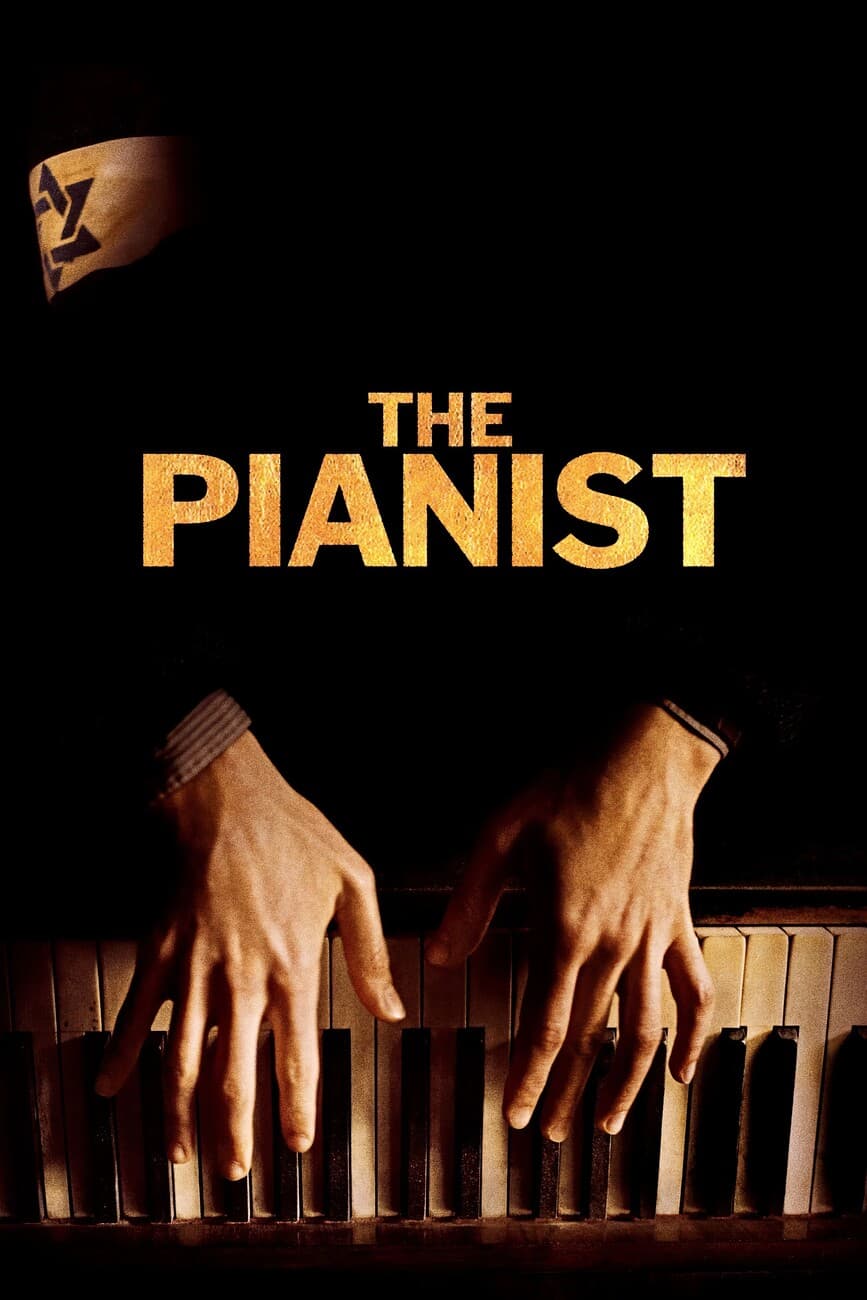
2002
The Pianist
A quiet life unmade by war — and a pianist who refuses to stop listening.
Read the retrospective
→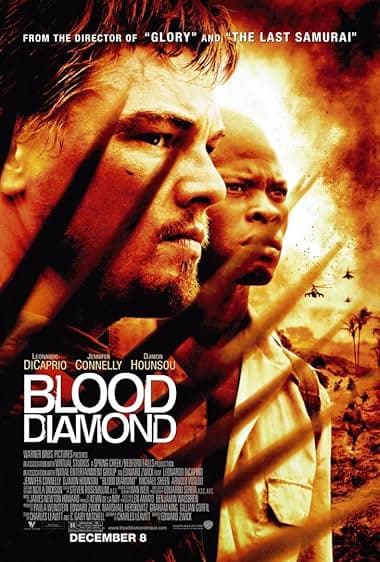
2006
Blood Diamond
A mercenary, a fisherman and a pink diamond — and a film that still asks who pays for our jewellery.
Read the retrospective
→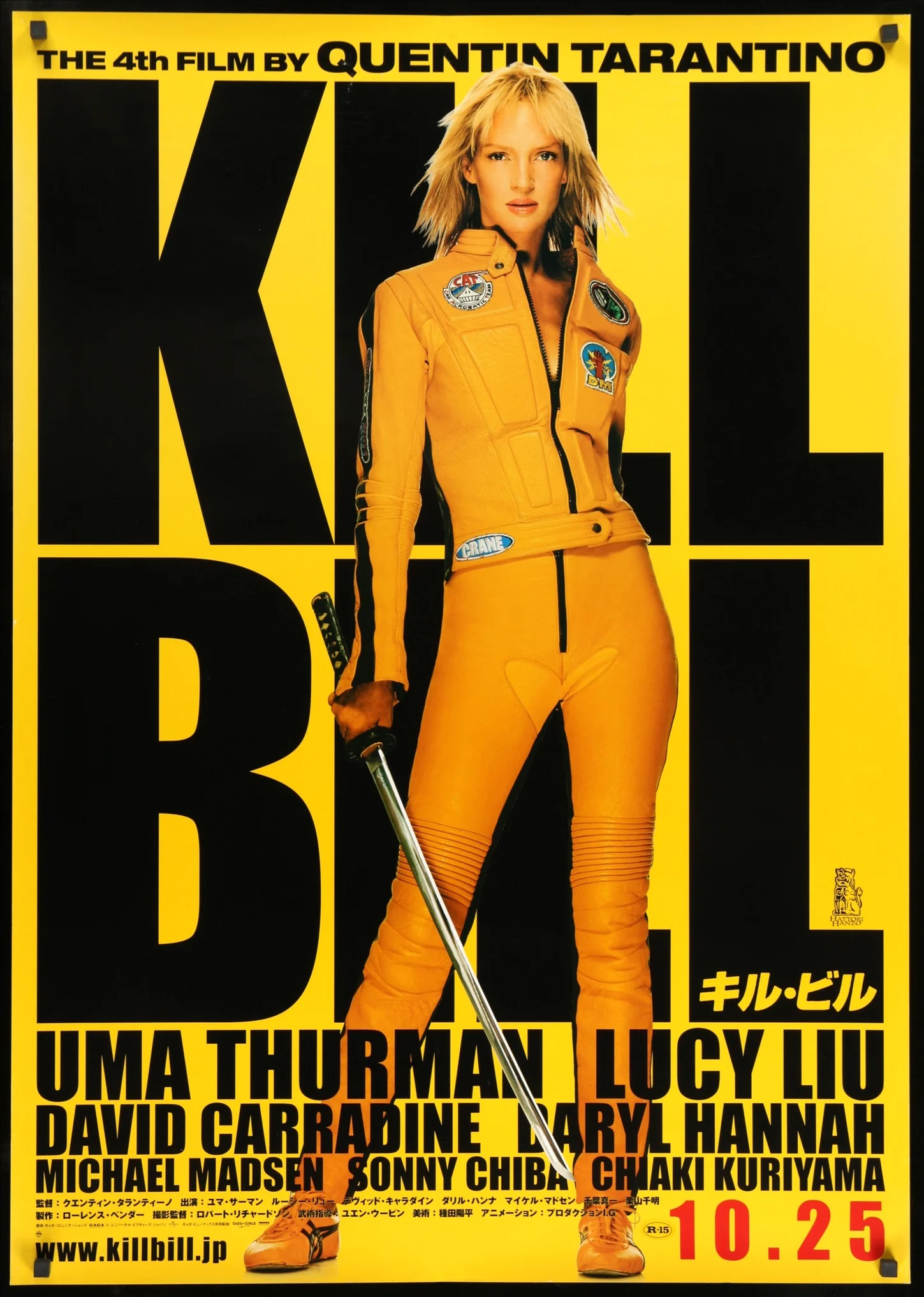
2003
Kill Bill: Volume 1
A yellow jumpsuit, a long list of enemies and one woman who refuses to be finished.
Read the retrospective
→