Feature presentation
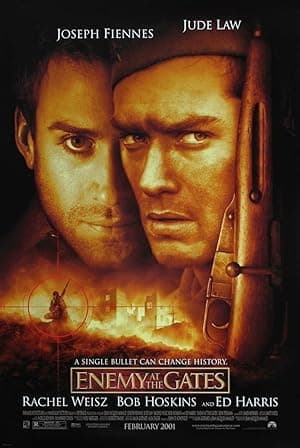
Enemy at the Gates is the sort of war movie that keeps returning to one figure: Vassili Zaitsev, the hunter-turned-sniper who is both remarkably skilled and awkwardly thrust into the public eye. Jean-Jacques Annaud stages that tension — between private survival and public story-making — across big set-pieces and a simmering psychological duel.
THE MOVIE
Vassili Zaitsev is still the reason this movie works
If Enemy at the Gates has a pulse, it’s in Vassili Zaitsev. The film follows a young marksman whose pre-war talent for hunting becomes the brutal currency of Stalingrad; everything else — the propaganda, the publicity, the duel — spins off from him.
Jean-Jacques Annaud frames Vassili not as an obvious hero but as a survivor whose skill is hijacked. Ivan Danilov, the political officer, spots those kills and fashions them into a morale-raising story; Vassili, reluctantly, finds himself a public symbol whether he wants to be or not.
That tension — war as spectacle versus individual survival — plays out across the film’s big set-pieces and its quieter moments. Jude Law plays Vassili, Annaud directs, and the film arrived in 2001 with a running time substantial enough to let both the battles and the publicity machinery breathe.
THE SETUP
The idea that sets Enemy at the Gates in motion
At its simplest, the movie follows Vassili Zaitsev as he becomes a celebrated sniper during the Battle of Stalingrad. That premise is straightforward enough to keep the plot moving, but the film layers personal tensions over the military action.
One of those layers is a recurring romantic triangle: Vassili, the political officer Ivan Danilov, and Tania Chernova, a volunteer who trains and fights as a sniper. The subplot gives the film a human-sized counterweight to the sprawling siege around them.
Structurally, Annaud returns to certain story mechanics: large set-piece sequences — river crossings, combat amid urban rubble and sniper tactics — and then brings the camera back to personal confrontations. Personal stakes sit inside the wider siege.
Contemporary reviewers noticed the production’s appetite for big visuals and large-scale design even while they grumbled about some of the dialogue and the romantic subplot; the movie keeps switching between spectacle and intimacy on purpose.
THE CHARACTER
Why Vassili Zaitsev matters
Vassili is the film’s pivot. He starts as a hunter whose knack for picking off targets in the countryside translates, awkwardly and efficiently, into being a deadly urban sniper. That origin keeps the character grounded: his skills are practical and earned rather than mythic.
What makes him memorable in the story is not just the number of enemies he drops but the way his private reasons for surviving — instinct, craft, eyesight — are steadily repurposed into something political. The movie treats him less as a proudly self-fashioned hero and more as someone pressed into a role by others.
Tania Chernova’s presence matters here because she is both a fellow fighter and the personal complication in the triangle that ties Vassili to Danilov’s publicity campaign. Their triangle gives the film a human friction that sits beside the battlefield.
We also get hints that not everything in the screenplay is documentary certainty: the cinematic duel between Vassili and Major Erwin König comes from sources like William Craig’s book and Zaitsev’s memoirs, but later commentators have questioned how literally that duel can be read.
THE PERFORMANCE
Why Ed Harris's performance matters
Ed Harris plays Major Erwin König, the German sniper sent to unpick Vassili’s growing legend. Contemporary commentary singled out Harris’s physical choices in the film’s final confrontation as a striking element.
What that observation signals — without turning it into a full actor study — is that König’s menace is carried partly by physicality in the climactic duel. The scene leans on those choices to make the cat-and-mouse feel tangible rather than purely schematic.
Mentioning this is useful because the film’s emotional crunch depends on the duel feeling immediate; Harris’s approach to that moment was what several reviewers flagged as helping the showdown land.
So, even if you’re watching for the set-pieces, the last face-off is where the movie expects you to remember the human cost under the spectacle.
UNDER THE SURFACE
Enemy at the Gates has more on its mind than the plot suggests
On the surface it’s a war story about tactics and survival. Underneath, the film keeps pulling back to questions about how narratives are made: who becomes a hero and who decides it. That propaganda-and-hero-making current runs through the whole film.
Closely linked to that is survival and skill. Vassili’s methods are practical; Annaud shows sniping as craft, a set of learned behaviours, not mysticism. The movie constantly returns to technique and patience as a form of moral and physical survival.
The psychological duel is the screenplay’s motor. The cat-and-mouse between Vassili and König turns battlefield killing into a chess match — or at least the film asks us to read it that way — which keeps the tension cerebral as well as visceral.
Finally, urban warfare matters here because the city’s rubble forces the characters into small-scale encounters. That ruined, up-close fighting is the ideal stage for the film’s interest in publicity versus private experience: the public story of a hero grows out of intensely private acts of survival.
THE FILMMAKING
How Enemy at the Gates was put together
The film is built on a substantial production scaffolding. Robert Fraisse is credited as director of photography and the movie earned industry recognition for its photography — something you notice in the way the big sequences are staged and framed.
Credits also list Wolf Kroeger as production designer and name two editors, Noëlle Boisson and Humphrey Dixon, which points to the scale of the art and editorial teams behind the film. The production clearly prioritised large, physical environments that could hold those sequences.
Contemporary critics drew a direct line from the film’s opening battle staging to the late-1990s resurgence of visceral WWII cinema, the kind of filmmaking that put gritty battlefield reality back at the centre of the screen. Annaud, working with that tradition, uses it to underline the movie’s stakes.
James Horner is credited as composer, and those credited names give you a sense of a director-driven, large-scale approach: the film wants to feel cinematic in both spectacle and intimacy, even when its romantic subplot and some lines of dialogue divided opinion.
PRACTICAL EFFECTS
The effects work that gives Enemy at the Gates its physical personality
The credits make it plain the film relied on considerable practical craft. A substantial practical-effects and special-effects crew is listed alongside model makers and a special-effects supervisor, which signals that much of the movie’s physical world was created in-camera and on set.
Production credits also name Wolf Kroeger (production designer), Simon Wakefield (set decoration) and several art-direction and construction personnel. That roster lines up with the film’s repeated return to large, constructed Stalingrad sets and the kind of physical environments the story requires.
Put simply: the movie’s personality owes something to these built spaces and the technicians who made them believable. It’s the difference between a battlefield that feels assembled for the story and one that feels produced by someone who thought through how people would move inside it.
That practical foundation is part of why the set-pieces landed for many viewers, even when other elements — dialogue or subplot — drew a mixed reception.
PURE 00s
Enemy at the Gates could not belong to any other decade
This is an early-2000s picture in both pedigree and posture: an international co-production that sits within the wave of large-scale, director-led World War II films that followed the 1990s revival of visceral war cinema.
Released in 2001 and co-written and directed by Jean-Jacques Annaud, it’s the sort of serious, mid-budget studio-backed historical drama that the early 2000s still quietly financed — a bold, slightly old-fashioned exercise in scale and craftsmanship.
Its 131-minute runtime and the decision to stage sweeping set-pieces alongside intimate confrontations reflect that moment’s appetite for war films that could be both spectacle and character study.
So the movie feels of its moment because it shares the era’s willingness to place an auteur’s sensibility against big production values and a global financing structure.
THE LEGACY
Why Enemy at the Gates still matters
For many English-speaking viewers, this film remains the clearest on-screen rendering of the Vasily Zaitsev story; it’s the treatment most people will think of when the sniper at Stalingrad is mentioned in cinema conversations.
Beyond that narrative, the production itself received attention in its release year: the film picked up industry recognition in cinematography and technical categories, which is another reason people still bring it up when discussing early-2000s war pictures.
So the legacy isn’t one single towering claim. It’s two quieter things: the way the movie put Zaitsev’s story on the Anglophone screen, and the visible craft — the photography and technical work — that reviewers acknowledged at the time.
Those two notes explain why the film still turns up in conversations about war cinema, even if opinions on the story’s choices remain divided.
THE VERDICT
Does Enemy at the Gates still hold up?
Yes — with qualifications. If you want a film about the strangeness of hero-making, where personal skill is turned into public theatre, this one still rewards a watch. Its central spine — Vassili’s rise, Danilov’s publicity campaign and the cat-and-mouse duel with a German sniper leader — remains narratively compelling.
The movie isn’t shy about its ambitions: big set-pieces, recurring tactics-driven sequences and a romantic triangle that keeps the human stakes in view. Those choices give the film shape, even if the love subplot and occasional bits of dialogue don’t convince every viewer.
Technically, it retains credibility: the names on the credits point to serious craft behind the camera, and contemporary notices singled out cinematography and the technical work. The final confrontation — the duel that anchors the drama — is the moment the film asks you to care, and contemporary commentary flagged Ed Harris’s physical approach there as a strength.
So who should watch it now? If you’re after a strictly forensic history, remember the duel’s documentary status is debated. But if you want a director-driven, actor-led wartime drama about survival, spectacle and the cost of being made into a story, Enemy at the Gates still does the job. It’s a film about becoming someone else’s legend — and that slightly uncomfortable idea is the film’s most lasting image.
Share this movie
Keep watching
More movies from the 00s
2002
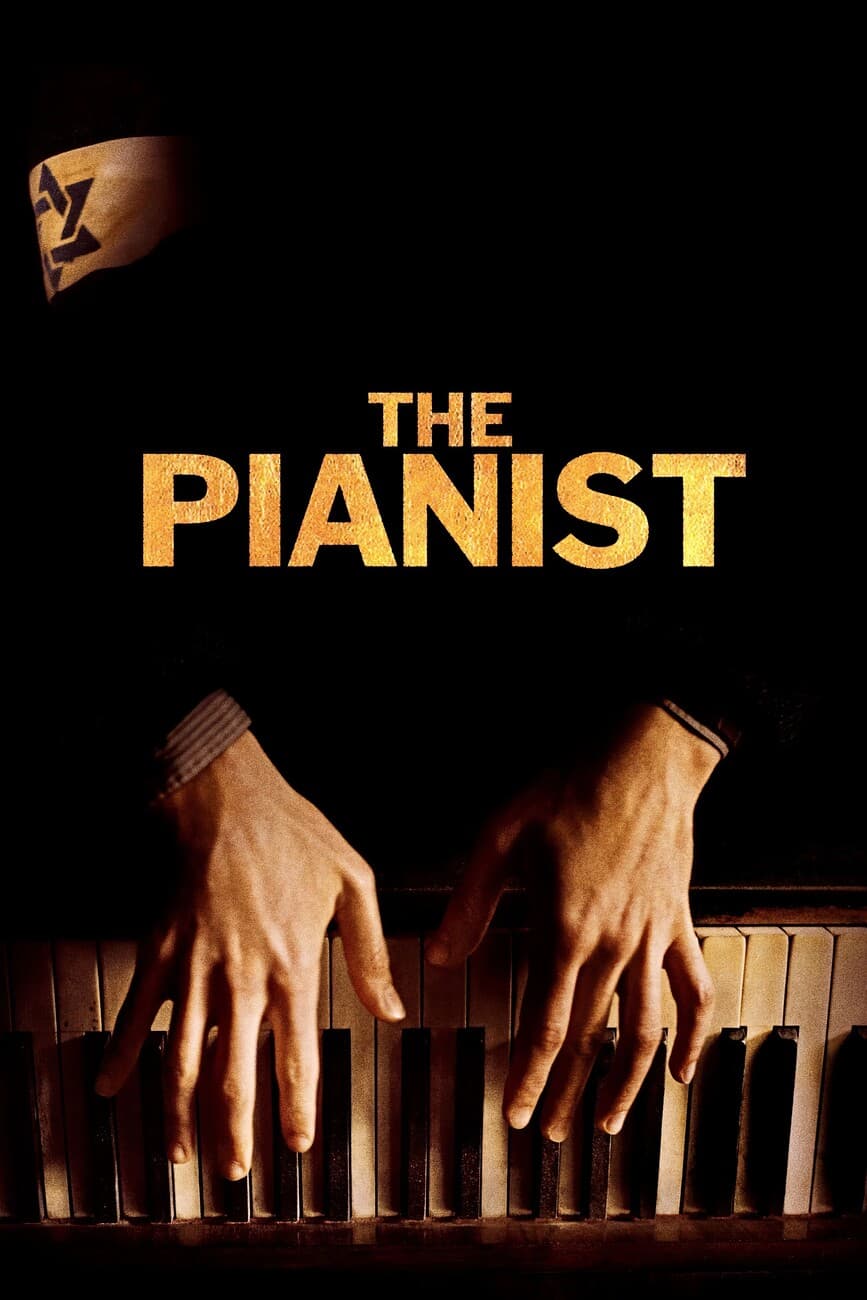
The Pianist
A quiet life unmade by war — and a pianist who refuses to stop listening.
Read the retrospective
→
2006
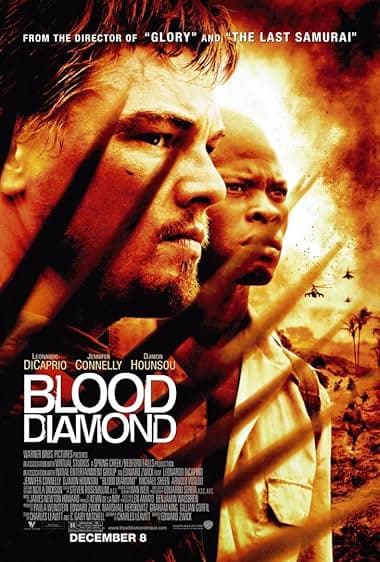
Blood Diamond
A mercenary, a fisherman and a pink diamond — and a film that still asks who pays for our jewellery.
Read the retrospective
→
2003
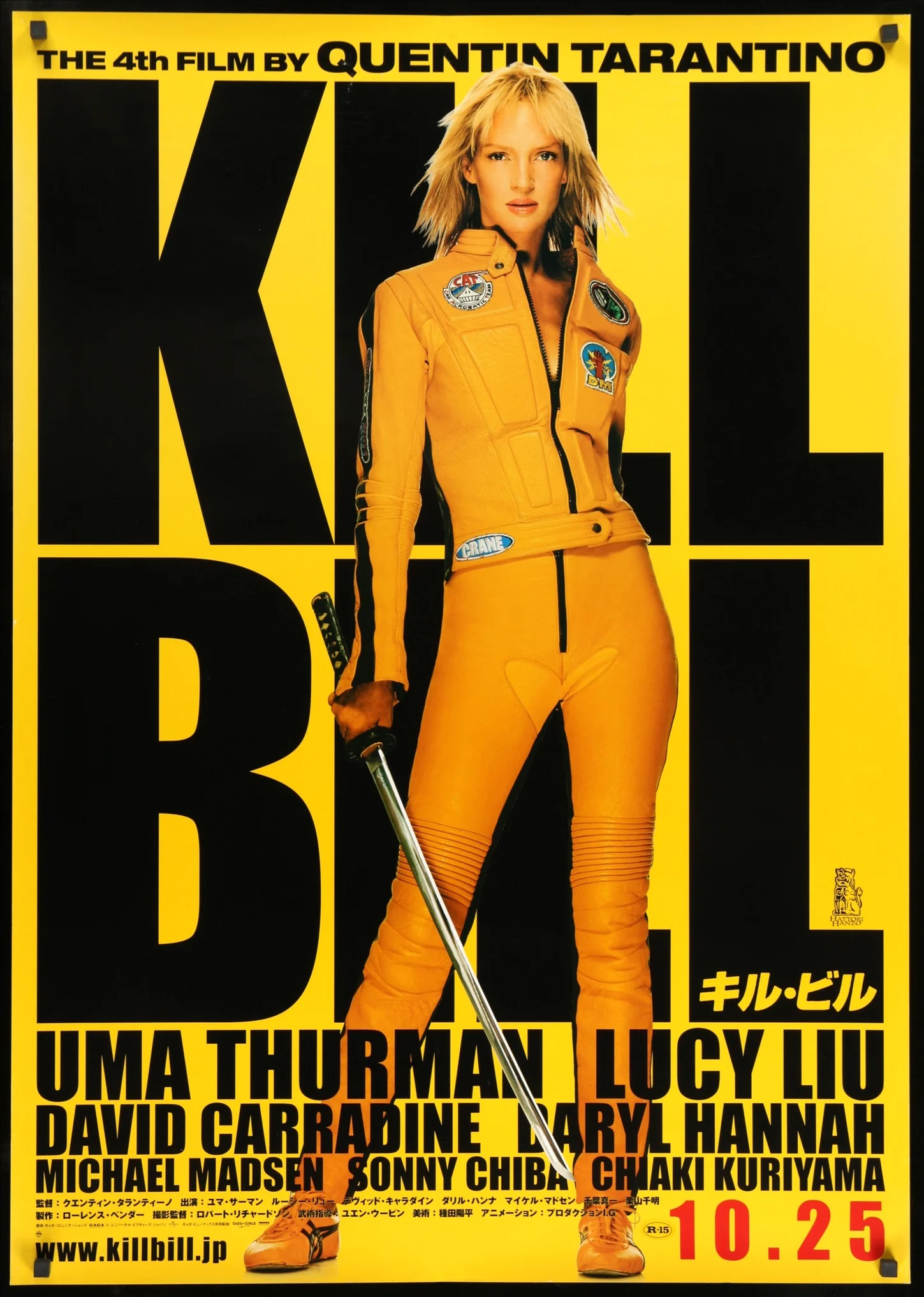
Kill Bill: Volume 1
A yellow jumpsuit, a long list of enemies and one woman who refuses to be finished.
Read the retrospective
→