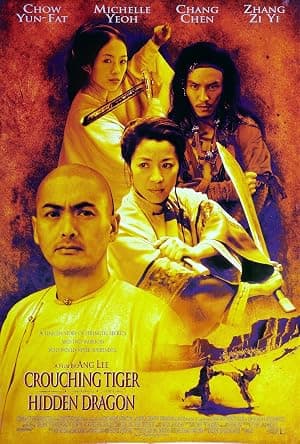
Crouching Tiger, Hidden Dragon
Li Mu Bai wants to give up the sword. The movie refuses to let him.
Feature presentation
If you remember one image from Crouching Tiger, Hidden Dragon it will probably be a man and a woman moving through the air like a pair of reluctant birds. But the film is quieter — and stranger — than that one shot. Under Ang Lee’s direction it threads a heist plot through two very different love stories and leaves questions about duty and desire simmering under the choreography.
THE MOVIE
Li Mu Bai is still the reason this movie works
From the first scene Crouching Tiger, Hidden Dragon stakes a small, stubborn claim: this is a story about stepping away. Li Mu Bai, a legendary Wudang swordsman, has decided to give up the life of a warrior and entrusts his celebrated sword — the Green Destiny — to his friend Yu Shu Lien for delivery. That simple act sets everything else wobbling.
Of course nothing stays simple. The theft of the Green Destiny becomes the obvious plot engine — the MacGuffin that sends characters on a search — but it’s only the visible reason for everyone’s real journeys. Under the surface there’s a knot of personal obligations and private feelings, and Li Mu Bai sits at the middle of it all: a man aiming for renunciation while still caught in the gravity of duty.
It helps that the whole thing is being steered by Ang Lee and anchored by Chow Yun-fat as Li Mu Bai. You can watch the movie for the choreography and the wire-aided flights, and you’ll get an unforgettable spectacle; watch it for the way the relationships are set up, and you’ll see why people keep coming back.
THE SETUP
The idea that sets Crouching Tiger, Hidden Dragon in motion
At heart the film weaves two contrasting romances into a single tapestry. One is the long, chaste attachment between Li Mu Bai and Yu Shu Lien; the other is the volatile, impatient affair between the aristocratic Jen Yu and the bandit Lo. That pairing gives the film a constant push-and-pull: restraint facing restlessness.
The theft of the Green Destiny gives the plot a clear starting point, but the movie treats its action scenes as more than spectacle — they are emotional extensions of the characters. A substantial flashback explains Jen Yu’s past and motives, and the film repeatedly lets fights answer questions the dialogue leaves alone.
That approach is deliberate. The action was choreographed by Yuen Wo-ping and deliberately mixes Hong Kong-style staging with wire-assisted aerial movement, so combat becomes a way of revealing interior states as much as settling scores.
So the set-up works because the movie gives us both a plot to follow and private lives to worry about — an external chase and an internal one, braided together by the missing sword.
THE CHARACTER
Why Li Mu Bai matters
Li Mu Bai is the film’s moral ballast. He’s presented as a legendary Wudang swordsman who plans to give up martial life — not because he’s tired of fighting, but because he’s aiming for renunciation and a sort of mastered detachment. That intention hangs over his every move.
He isn’t an abstraction, though. The plot opens with him doing the practical thing: handing the Green Destiny to Yu Shu Lien for safekeeping. That act of trust reveals the kind of man he is — one who obeys honour and duty even while wanting to withdraw from the world they demand.
Crucially, his relationship with Yu Shu Lien complicates the renunciatory fantasy. Yu Shu Lien functions both as his trusted ally and as someone whose restrained emotional longing mirrors his own conflict between desire and obligation. Li Mu Bai matters because he’s both the catalyst and the conscience of the story.
THE PERFORMANCE
Why Zhang Ziyi's performance matters
Zhang Ziyi’s turn as Jen was widely noticed at the time as a breakout. The role put her on the international map and introduced a new kind of restless heroine to audiences outside the Chinese-speaking world.
That attention matters for how the film reads: Jen is not a window-dressing rebellious teen but the emotional freight train that drags other characters into decisions they couldn’t avoid. The performance’s reception helped shape how viewers approached the character — as a catalyst rather than a mere love interest.
So when you watch the film now, Jen feels like the engine of risk. Zhang Ziyi’s casting and the contemporary reaction to it are part of the package that made the character feel urgent and new when the movie arrived.
UNDER THE SURFACE
Crouching Tiger, Hidden Dragon has more on its mind than the plot suggests
The film keeps returning to honour and duty. Characters make choices because of obligations they cannot shrug off, and those obligations sit uneasily next to private cravings. That tension is the engine of much of the drama.
Closely related is repressed desire and forbidden love. Whether it's the quiet, unspoken bond between Li Mu Bai and Yu Shu Lien or the more combustible attraction around Jen, longing that must be contained — for social or personal reasons — is everywhere.
Female agency and rebellion are also central. Jen’s restlessness and Jade Fox’s outside-the-law choices create a conversation about women who refuse the life prescribed for them, even when the consequences are severe.
Finally, the movie is interested in renunciation and mastery and the friction between wuxia-style freedom and social constraint. The fantasy of airborne swordsmen sits alongside strict social codes, and the collision between those worlds is where the film finds much of its poignancy.
THE FILMMAKING
How Crouching Tiger, Hidden Dragon was put together
The film’s look and rhythm owe a lot to the people behind the camera. Peter Pau was the cinematographer and Tim Squyres the editor, and that pairing helped give the movie a visual identity that awards-season coverage singled out.
What that means in practice is that the camera and cutting favour clarity and scope; the movie often lets space breathe so choreography and emotion can sit in the same frame. That choice affects how you experience both the fights and the quieter moments that follow them.
Ang Lee’s direction ties the elements together — the performances, the score and the visual design — into a film that feels confident about mixing romance and fantasy without losing either.
PRACTICAL EFFECTS
The effects work that gives Crouching Tiger, Hidden Dragon its physical personality
The aerial fights are achieved with wire-assisted stunt work, and the production used digital techniques afterwards to remove the wires. That mix lets actors and stunt performers move in ways that read as otherworldly while still being rooted in choreography.
Fight staging intentionally favours wide, open spaces and longer takes. The result is that the camera can register both the sweep of movement and the faces inside it, so combat communicates character as well as technique.
In short, the film’s physical personality comes from a careful combination of practical stunt craft and post-production polish, used in service of choreography that carries emotional meaning.
PURE 00s
Crouching Tiger, Hidden Dragon could not belong to any other decade
Released in 2000, the film arrived at a moment when Chinese-language wuxia cinema was starting to travel beyond its traditional markets. It played a prominent part in that early-2000s crossover, helping non-Chinese audiences see what the genre could do.
Its Cannes premiere and subsequent limited U.S. opening that year meant it landed in both festival and arthouse circuits, which helped position it as a bridge between markets and tastes.
Those release choices made the film feel like part of a bigger conversation about cross-border cinema, and critics frequently compared it to other Chinese-language wuxia films of the period — the sort of peer-group scrutiny that marks movies people expect to stick around for discussion.
THE LEGACY
Why Crouching Tiger, Hidden Dragon still matters
Part of the film’s afterlife is practical: at the 73rd Academy Awards it picked up multiple nominations and won four Oscars, including Best Foreign Language Film and Best Original Score. Those accolades widened the conversation around it.
Beyond trophies, the movie is often credited in coverage with helping introduce the wuxia tradition to broader international audiences and with accelerating cross-border collaborations in East Asian cinema. It didn’t invent those conversations, but it made them louder.
The existence of a 2016 sequel shows the filmmakers and producers felt there was more story and world to explore, and later recognition — such as inclusion on major critics’ lists of the century — points to lasting critical regard.
Put simply: the film matters because it changed who watched wuxia films and how they were talked about outside their original markets.
THE VERDICT
Does Crouching Tiger, Hidden Dragon still hold up?
Yes — but not because it’s simply a pretty martial-arts movie. The film asks a quiet question throughout: can a life of honour coexist with private longing? That tension sits at the centre of the plot (the stolen Green Destiny starts the hunt) and in the twin romances it intertwines — the chaste, long-standing attachment of Li Mu Bai and Yu Shu Lien and the volatile young love between Jen and Lo.
You’ll still feel the push of those ideas because the film keeps action and emotion braided: a flashback explains Jen’s choices and many fight sequences read as answers to what the characters won’t say out loud. The production elements that support that — from Peter Pau and Tim Squyres’ contributions to Tan Dun’s score and Yuen Wo-ping’s wire-assisted choreography — are all present in the film’s DNA and were part of why contemporary coverage highlighted Chow Yun-fat, Michelle Yeoh and Zhang Ziyi as the performers to watch.
If you’re after spectacle alone, there’s plenty here. If you want something that uses spectacle to talk about duty, desire and the cost of renunciation, it still has teeth. And if you’re curious about cinema that helped shift how Western audiences saw Chinese-language wuxia, it’s essential viewing.
So yes: watch it. Not as a museum piece, but as a film that deliberately mixes sentiment, swordplay and moral friction — and refuses to let its characters slip free of the consequences of the lives they have chosen.
Share this movie
Keep watching
More movies from the 00s
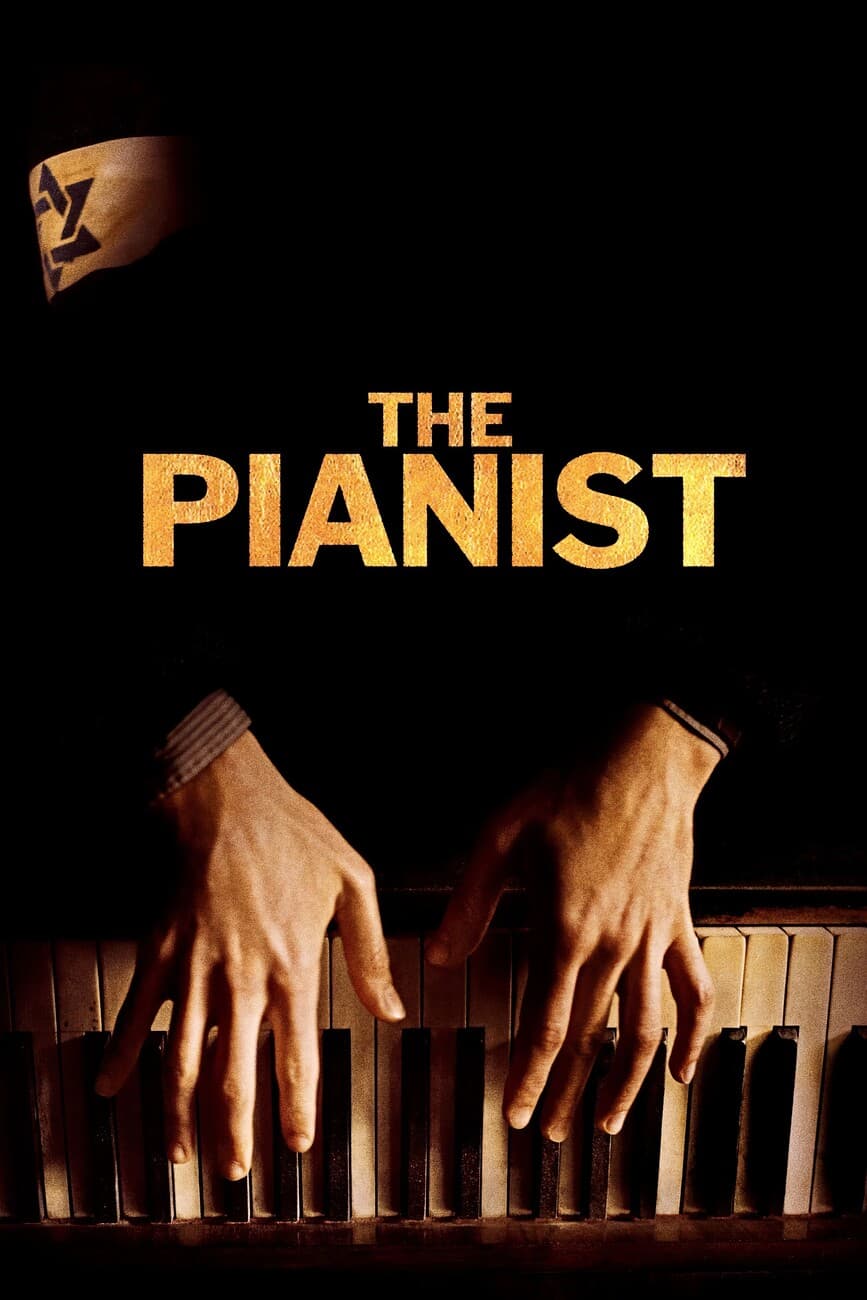
2002
The Pianist
A quiet life unmade by war — and a pianist who refuses to stop listening.
Read the retrospective
→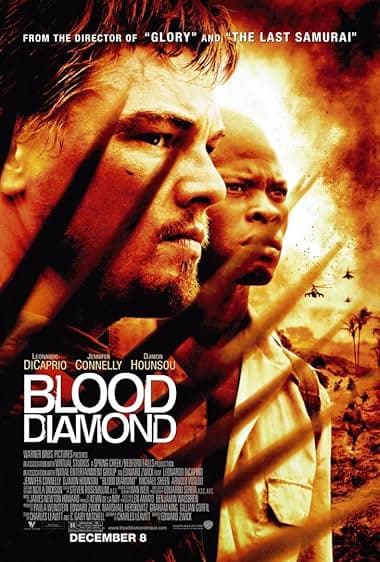
2006
Blood Diamond
A mercenary, a fisherman and a pink diamond — and a film that still asks who pays for our jewellery.
Read the retrospective
→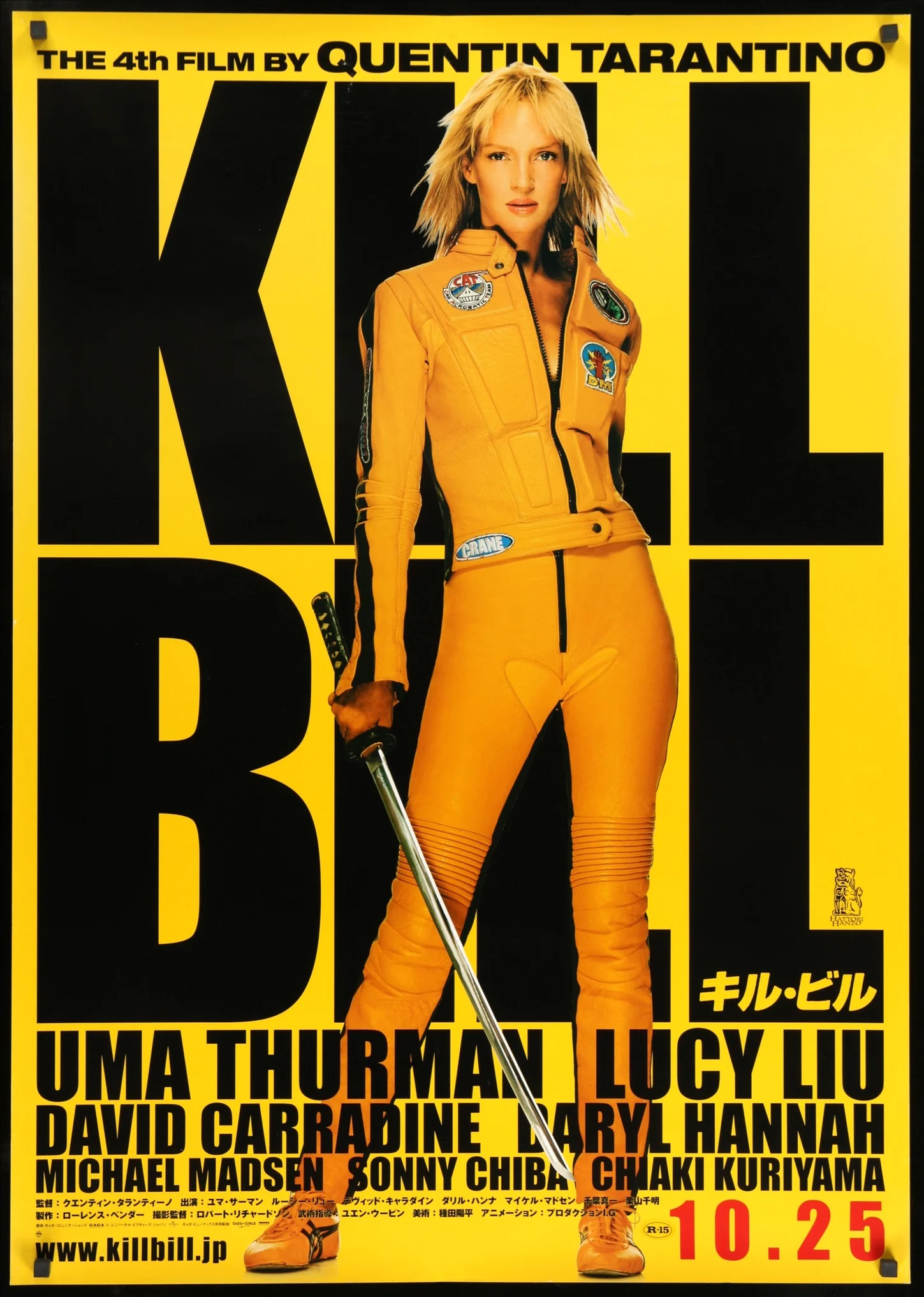
2003
Kill Bill: Volume 1
A yellow jumpsuit, a long list of enemies and one woman who refuses to be finished.
Read the retrospective
→