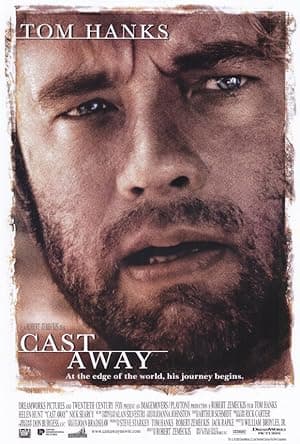
Feature presentation
Cast Away eats a very simple premise — a punctual FedEx troubleshooter stranded alone after a plane goes down — and squeezes surprisingly large questions out of it: how do you stay human when nothing around you answers back? Robert Zemeckis's film leans on that single-person pressure cooker and on the awkward companion that comes with it, and it still feels like a movie that wants you to sit with its silences.
THE MOVIE
Chuck Noland is still the reason this movie works
Cast Away begins with a simple, brutal subtraction: take Chuck Noland, a man whose life is organised by timetables and FedEx efficiency, then remove everything that gives him structure. The film’s engine is that gap — the crash that dumps him on a remote island and the very practical, very human task of surviving.
Because Chuck’s tools are spreadsheets and schedules, the movie gets interesting when those problem-solving instincts collide with an environment that rewards improvisation over procedure. The solitary situation forces a change from technical fix to trial-and-error living — and that shift is the movie’s heartbeat.
Robert Zemeckis directs the whole thing with a big-picture hand: an intimate Robinsonade about one man versus the sea, with a famously odd supporting role — a deflated volleyball nicknamed Wilson — standing in for everything Chuck cannot afford to lose emotionally.
THE SETUP
The idea that sets Cast Away in motion
At its most economical, Cast Away is straightforward: Chuck Noland, a FedEx systems analyst, survives a plane crash and must deal with the immediate business of staying alive — finding water, food and shelter — while also navigating years of solitude.
That basic survival puzzle is given texture by a handful of story mechanics that keep returning like tides: FedEx packages washing ashore and becoming usable resources, the invention of a companion out of a volleyball called Wilson, and a multi-year ellipsis that lets us watch Chuck physically and mentally change.
The raft-building sequence and Chuck’s eventual attempt to escape are the plot’s outward motions; they give the drama momentum and a reminder that this is not merely an exercise in endurance. There’s a rescue and then the less neat work of re-entering a life that has moved on without you.
All of which keeps the film tightly focused. It never tries to be a sprawling epic; it just uses a handful of repeated beats to ask how a person remakes themselves when civilisation is no longer a given.
THE CHARACTER
Why Chuck Noland matters
Chuck Noland is memorable because he’s not a blank-slate hero dropped into peril; he’s a recognisable kind of person — obsessively punctual, a man of systems — and that specificity makes his collapse into improvisation interesting. You understand immediately what he’s lost.
His work-first life also gives the film its sting: his relationship with Kelly is frayed by absenteeism, which makes the personal stakes of his disappearance more than mere drama. When he’s gone, other people’s lives continue, and that continuation becomes a quiet source of pain after he returns.
Then there’s Stan, the friend and co-worker who anchors Chuck’s pre-crash world and later helps him try to make sense of coming back. Those ties — both the strained romantic one and the steady, practical friendship — stop the movie from ever being purely about survival technique.
Put together, these elements keep Chuck from being only an ‘island man’ story. He’s someone displaced from an ordered life, forced to find a human rhythm in the most humanless of places.
THE PERFORMANCE
Why Tom Hanks's performance matters
A few stretches of Cast Away are almost wordless, and the film asks a lot of its lead. Contemporary coverage singled out how Hanks carries those sequences — keeping the audience with him when dialogue is scarce and the emotional weather is subtle.
That’s the essential point: the movie depends on someone convincing us he can be alone and still interesting. The awards attention the role received reflects that the film’s drama rests on a single actor holding our attention through years and small, wrenching adjustments.
So the performance is not just about gestures or survival skills on-screen; it’s about sustaining a character who must live inside us for long silent stretches and still read as a person worth following.
UNDER THE SURFACE
Cast Away has more on its mind than the plot suggests
On the surface, Cast Away is a survival story. Underneath, it’s an argument about what civilisation gives us and what we keep when civilisation disappears. The film stages survival versus civilisation as a daily negotiation: water, shelter and food are urgent, but so is retaining speech, ritual and some sense of who you once were.
Isolation and loneliness are constant companions. The creation of Wilson — a volley of stitching and imagined personality — is the clearest sign that Chuck needs more than practical technique; he needs human contact, even if it’s with a volleyball.
That device also nudges the movie toward a quieter question: what happens to your values when the scoreboard you used to live by stops updating? Chuck must reassess what matters to him, not in a speech, but in the small, repetitive acts of staying alive and the choices he makes after rescue.
Finally, man versus nature is never merely spectacle here; it’s the background argument that makes every improvised tool, every failed catch, every small triumph feel like a decision about what kind of person you will be when the world is stripped back.
THE FILMMAKING
How Cast Away was put together
A lot of the film’s credibility comes from the production choices: Don Burgess is credited as cinematographer and Rick Carter as production designer, and the crew didn’t rely on one simple approach. They mixed actual island locations with studio and stand-in settings to shape the world Chuck inhabits.
That blending matters because the film needs both the authenticity of place and the controlled environment of studio work. Some sequences required the realism of Monuriki and others the predictability of a set, and that mixture is what lets the island feel lived-in while keeping the story visually coherent.
The editing also has to carry long stretches of quiet without letting attention drift. The team’s approach to building those sequences — earning every silent beat — is part of why the film asks us to stay with Chuck through the slow, accumulating details of survival.
PRACTICAL EFFECTS
The effects work that gives Cast Away its physical personality
The airplane-crash sequence isn’t a single trick; it’s an assembly of digital effects, miniatures and physical work layered together. That hybrid approach gives the moment both scale and physicality.
There’s also the little production workaround that speaks to the film’s practicality: for at least one cliff-top vantage the crew shot elsewhere and used a plaster centerpiece because the island terrain wouldn’t accept the necessary crane. Small, inventive fixes like that keep the movie moving without pretending the island could serve every technical need.
Altogether, the effects choices are functional rather than flashy — they get Chuck from the plane to the shore and then let the story live in the real work of survival.
PURE 00s
Cast Away could not belong to any other decade
Released at the end of 2000, Cast Away sits neatly in the early-2000s landscape as a high-profile star vehicle that balances studio spectacle and an intimate character study. It’s a film that can be big — there’s a plane crash and ocean-crossing — and yet fundamentally focused on one person’s interior life.
The production itself is of its moment: a Playtone/ImageMovers project distributed by major studios in a pattern typical of late‑1990s/early‑2000s partnerships. That industrial context explains why the film felt both safe and ambitious for mainstream audiences.
It also comes from a period when a movie could afford lengthy, quiet stretches around an A-list name. Principal photography happened in two blocks across 1999 and 2000, and that scheduling rhythm helped the film find the right balance between location work and studio control.
THE LEGACY
Why Cast Away still matters
Part of why Cast Away remains in the conversation is straightforward: the film’s lead received serious awards attention. Tom Hanks won the Golden Globe for Best Actor and earned an Academy Award nomination for the role, which signalled how central the performance was to the film’s ambition.
Then there’s Wilson — the inanimate volleyball that becomes a surrogate companion. That odd little object lodged itself in popular culture and keeps turning up in references and public mentions as shorthand for imagined companionship under extreme isolation.
Those two facts — the awards nod and the curious afterlife of Wilson — explain a lot. The movie gave audiences something to talk about: a demanding single‑actor turn and a visual joke that kept on giving outside the film.
THE VERDICT
Does Cast Away still hold up?
Yes — and for a clear reason: the movie asks you to watch one man adapt, and that very human process rarely goes out of fashion. The plane crash and the immediate scramble for water, food and shelter set a brutally simple test. How Chuck answers it — physically and mentally — is the movie’s subject and its strength.
The story mechanics help: FedEx packages recur as both practical materials and symbolic echoes of the life Chuck left behind; Wilson lets him speak and remain recognisably human during months of silence; the raft and escape sequence give the film forward motion and a reminder that this is not static survival theatre.
There are choices that might strike some viewers as old-fashioned — a long runtime, big studio backing, a willingness to linger — but those are also the things that let the film breathe. And having a central figure whose previous life (work, relationships, schedules) is still ticking away after his absence gives the emotional beats real weight.
So if you’re deciding whether to watch it now: watch it for the patient, single‑character gamble, for the odd comfort of Wilson, and for the way the film makes you feel the cost of being absent from the world you once took for granted.
Share this movie
Keep watching
More movies from the 00s
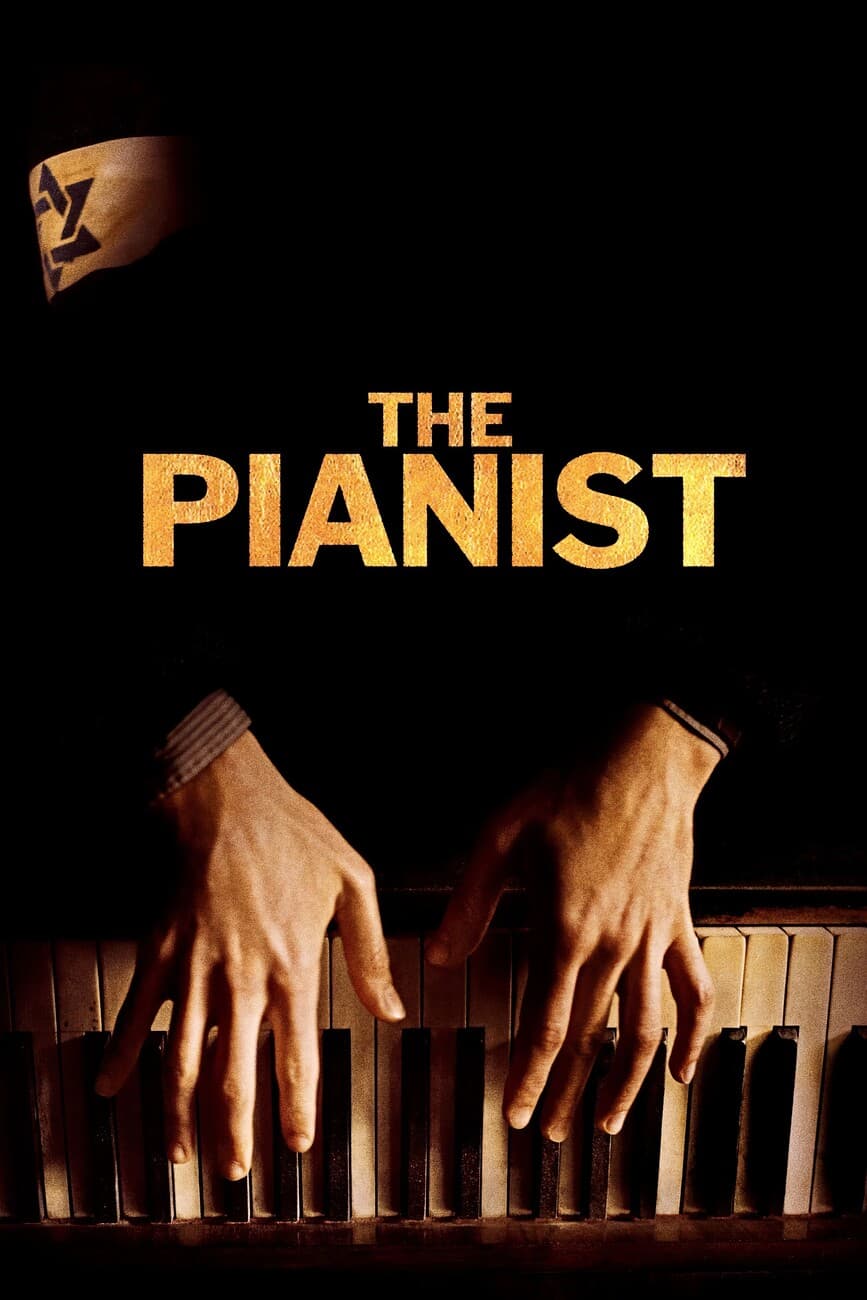
2002
The Pianist
A quiet life unmade by war — and a pianist who refuses to stop listening.
Read the retrospective
→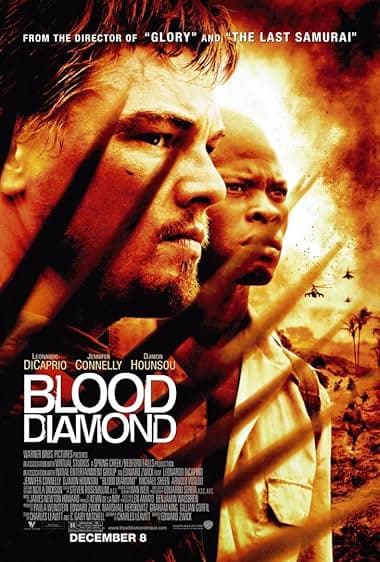
2006
Blood Diamond
A mercenary, a fisherman and a pink diamond — and a film that still asks who pays for our jewellery.
Read the retrospective
→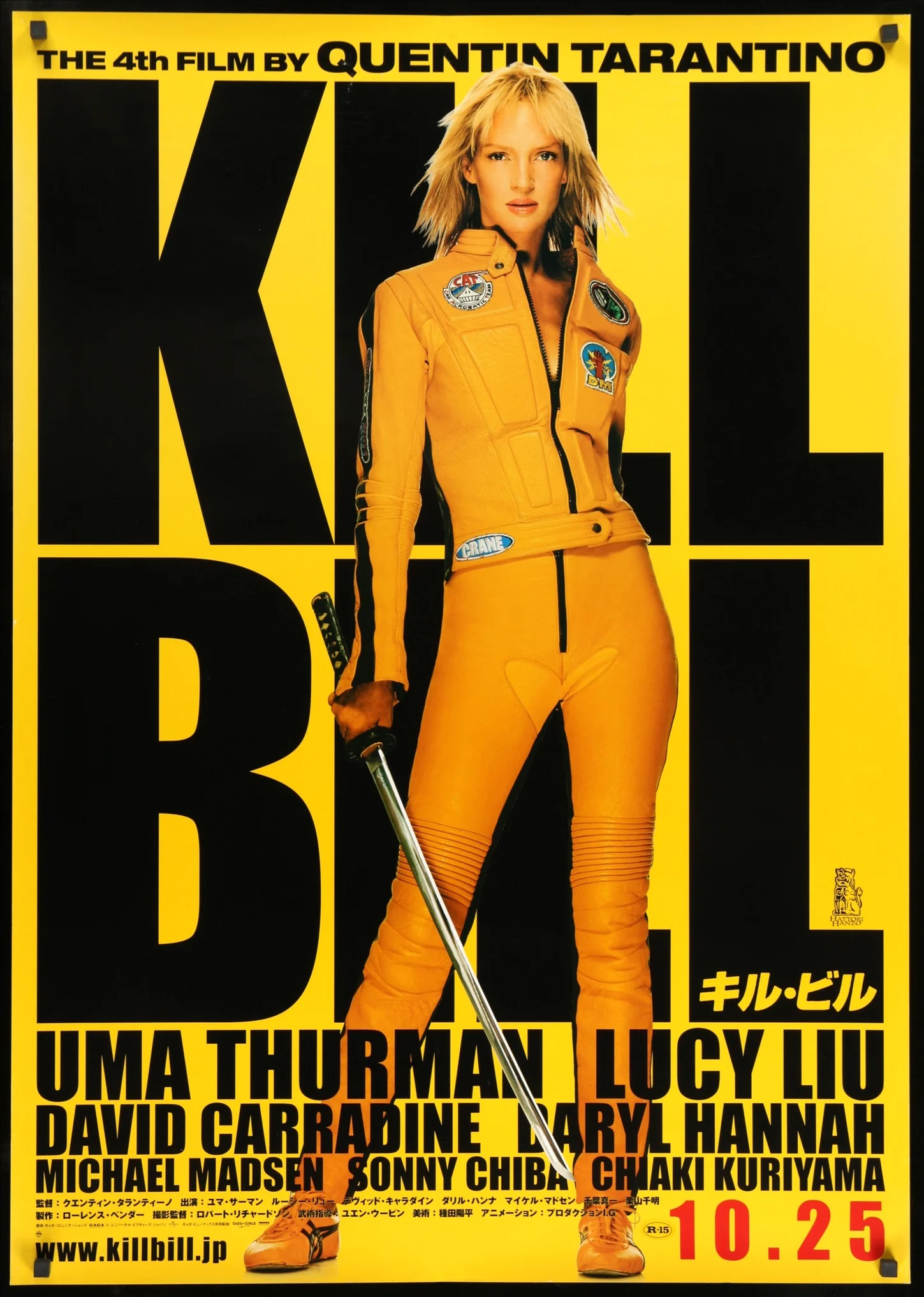
2003
Kill Bill: Volume 1
A yellow jumpsuit, a long list of enemies and one woman who refuses to be finished.
Read the retrospective
→