Feature presentation
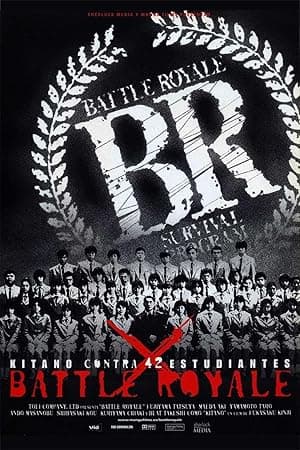
Battle Royale still kicks like a film with something to prove. Kinji Fukasaku’s late‑career shocker drops a class of students on a remote island, straps explosive collars around their necks and watches what happens when authority forces children into a game of survival. At the centre of the noise is Shuya Nanahara — the one who keeps insisting, quietly and stubbornly, that there are other ways to respond.
THE MOVIE
Shuya Nanahara is still the reason this movie works
People still talk about Battle Royale because it turns an outrageous premise into a pressure cooker for character. The film takes Koushun Takami’s idea — a near‑future government program that forces a class of students into a last‑person‑standing contest — and refuses to let spectacle completely swallow the human choices inside it.
The intimidation is literal: Class 3‑B are rounded up, transported to an isolated island and fitted with explosive collars that enforce the rules. That mechanism gives the movie its rules, its panic and its small, brutal mathematics of trust and betrayal.
But what keeps the film from becoming a one‑note provocation is Shuya Nanahara. He’s framed as the moral spine: the kid who wants to shield Noriko and resist turning survival into cruelty. That refusal — quiet, repeated — is why the movie still lands.
THE SETUP
The idea that sets Battle Royale in motion
At its simplest, the film is about surviving a state‑mandated death game and the choices that survival forces on a group of peers. That’s the central conflict and it’s bone‑simple in a useful way: life or death, and what you do to get there.
A practical trick keeps the pressure constant: government‑issued explosive collars and a three‑day time limit. The collars make running away impossible and turn geography into a trap — you can move, but you can’t escape the rules.
Within that brutal frame the story follows a handful of focal characters rather than every student in the class. That smaller focus — particularly on Shuya and Noriko — lets the film track resistance as well as panic.
All of which means the film’s energy comes from moral choices as much as action. The setup forces kids into positions where cooperation, self‑preservation and revenge become competing strategies, and the drama comes from how they choose between them.
THE CHARACTER
Why Shuya Nanahara matters
Shuya Nanahara isn’t just the protagonist by default; he’s the moral touchstone the film keeps returning to. In a story that could easily celebrate clever survival tactics, Shuya insists on something else: protecting Noriko and resisting the game’s cruelty.
That insistence gives the movie ballast. When other characters make choices that shock or sadden, Shuya’s motives let us measure those choices against a stubbornly decent baseline.
Because the film centres on a smaller group of characters, Shuya’s decisions actually move the plot. His refusal to treat the contest as inevitable creates friction — and, crucially, makes the stakes feel personal rather than schematic.
In short: Shuya matters because he gives the audience a person to root for who isn’t merely trying to win, but trying not to become what the game demands.
THE PERFORMANCE
Why Tatsuya Fujiwara's performance matters
Contemporary reviews singled out Tatsuya Fujiwara’s central turn for what they called moral clarity. That’s a helpful shorthand: critics noticed that his Shuya carries an inner argument — a visible resistance to the idea that killing is the only way out.
Put another way, the performance gives Shuya weight. If the film’s moral choices are the engine, Fujiwara supplies the steady hand on the wheel that keeps the audience invested.
That doesn’t mean every beat is soft‑focus nobility. The point is that reviewers found his engagement with the material one of the film’s reliable touchstones, the performance that makes the moral stakes readable.
So when the movie asks whether survival justifies brutality, it relies on Fujiwara to make that question feel human rather than schematic.
UNDER THE SURFACE
Battle Royale has more on its mind than the plot suggests
On the surface it’s a survival thriller. Underneath it’s a film about how state power and authority can be exercised through ritualised violence against the young. That forced brutality is never just shock for shock’s sake; it’s an example of a government apparatus given a moral test subject.
Youth alienation runs through that idea. These are kids pushed to the margins of agency, made to turn on their classmates, which sharpens the tragedy and the critique: how a society treats its young says a lot about its priorities.
Media spectacle is another layer. The contest is structured like a show — rules, boundaries, a ticking clock — which makes the violence feel organised and performative. It’s not only who survives; it’s who watches and how that watching shapes behaviour.
Finally, the film constantly returns to survival ethics: cooperation versus self‑preservation, revenge versus mercy. Those choices aren’t abstract; they’re the everyday measures the characters must take under impossible pressure.
THE FILMMAKING
How Battle Royale was put together
If you want to talk about who visually shapes the film, the credits point to Katsumi Yanagishima on cinematography and Hirohide Abe on editing. Those names are the technical skeleton behind how the story’s urgency gets presented.
Put simply: the shot choices and how scenes are cut determine whether the setup feels chaotic or controlled, intimate or crowding. The film leans on that craft to keep a large‑cast story comprehensible and tense.
Kinji Fukasaku’s direction steers those pieces. He’s the reason the film stays about kids and choices rather than slipping entirely into a spectacle exercise.
So while we don’t need a breakdown of every camera trick, the filmmaking credits remind us that the movie is a construction — choices about framing and cutting that make moral dilemmas legible.
PRACTICAL EFFECTS
The effects work that gives Battle Royale its physical personality
There are two versions of the film to be aware of. The director’s, or 'special', edition released after the theatrical run incorporated additional CGI that wasn’t in the original cut.
That distinction matters because the original theatrical experience and the later edition are slightly different beasts: one relies on the film’s initial practical and editorial textures, the other adds digital layers.
So when you’re watching, the edition you pick will subtly change the film’s surface. The core story and its shocks are the same, but some optical additions arrived later in the film’s life.
It’s a reminder that Battle Royale has had more than one published shape — and that not every home‑video or reissue presents the exact same visuals.
PURE 00s
Battle Royale could not belong to any other decade
Battle Royale premiered at the turn of the millennium and arrived into a culture already talking about youth violence. Its release in December 2000 made it a flashpoint for debates about depictions of teenagers and brutality in the early 2000s.
Those reactions shaped how the film travelled. Concerns about controversy and legal exposure meant Toei declined U.S. theatrical licensing for years, and the film’s American availability was delayed until Anchor Bay’s 2010 release.
But despite the difficulties, the movie spread through festivals and home‑video circulation across the decade. That festival‑to‑fanpath is very much of its moment: films back then often found international audiences outside traditional studio pipelines.
Finally, this being Kinji Fukasaku’s late work gives it a particular slot in the era: a controversial, conversation‑starting film that landed squarely in the debates and anxieties of the early 2000s.
WATCHING IT NOW
What has aged — and what hasn't
The film’s continued presence in retrospectives and the fact it has received restorations and 4K reissues suggest programmers and audiences still find something worth revisiting. That isn’t nostalgia alone; it’s curation and attention.
The themes that feel most immediate are the ones about youth alienation and how institutions treat young people. Those questions haven’t gone away, which helps the film retain emotional resonance.
The controversy that greeted the release — an R15+ rating and political debate over depictions of youth violence — also colours how modern viewers approach it. Watching it now means bringing those debates into the screening room.
Finally, the multiple reissues and even a 3D re‑release in 2010 show the film has been presented in different packages over time. How you see it — which edition, which restoration — will shape your experience.
THE LEGACY
Why Battle Royale still matters
The film’s afterlife is partly institutional: it produced a direct sequel completed by Kenta Fukasaku, and it occupies a visible spot in late‑career discussions about Kinji Fukasaku.
More broadly, Battle Royale is widely cited as an influence on a particular 'battle royale' narrative formula across games, manga, anime and film. That lineage is one of the reasons people still bring it up when discussing death‑game stories.
Major filmmakers and festival programmers have also singled the movie out in interviews and programming, treating it as a notable — and divisive — late work from Fukasaku.
Put simply: its legacy mixes franchise continuity, artistic conversation and a clear presence in genre genealogy.
THE VERDICT
Does Battle Royale still hold up?
Yes — with a caveat. The film’s premise remains as sharp and confrontational as ever: a government program drops a class on an island, fits them with explosive collars and forces choices that test survival ethics. That setup still produces real moral friction rather than empty spectacle.
What helps the film hold together is its focus. By following a smaller group of characters — most centrally Shuya Nanahara and Noriko Nakagawa — the story keeps the crisis human. Shuya’s insistence on protecting Noriko and resisting brutality gives viewers a reliable emotional axis to follow.
Contemporary reactions singled out Tatsuya Fujiwara’s performance for the way it made Shuya’s inner conflict legible; that clarity still matters because the film asks the audience to care how people behave under pressure, not just who outwits whom.
If you care about films that push ethical questions through genre mechanics, Battle Royale is worth watching today. It’s a product of 2000, but its central dilemmas — state control, youth alienation, the spectacle of violence — remain unnervingly relevant, and the movie still has the guts to make you watch and think.
Share this movie
Keep watching
More movies from the 00s

2002
The Pianist
A quiet life unmade by war — and a pianist who refuses to stop listening.
Read the retrospective
→
2006
Blood Diamond
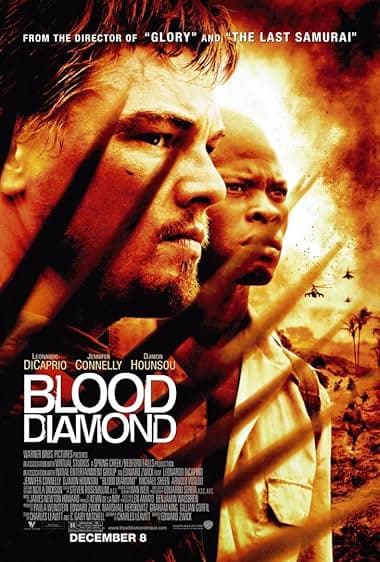
A mercenary, a fisherman and a pink diamond — and a film that still asks who pays for our jewellery.
Read the retrospective
→
2003
Kill Bill: Volume 1
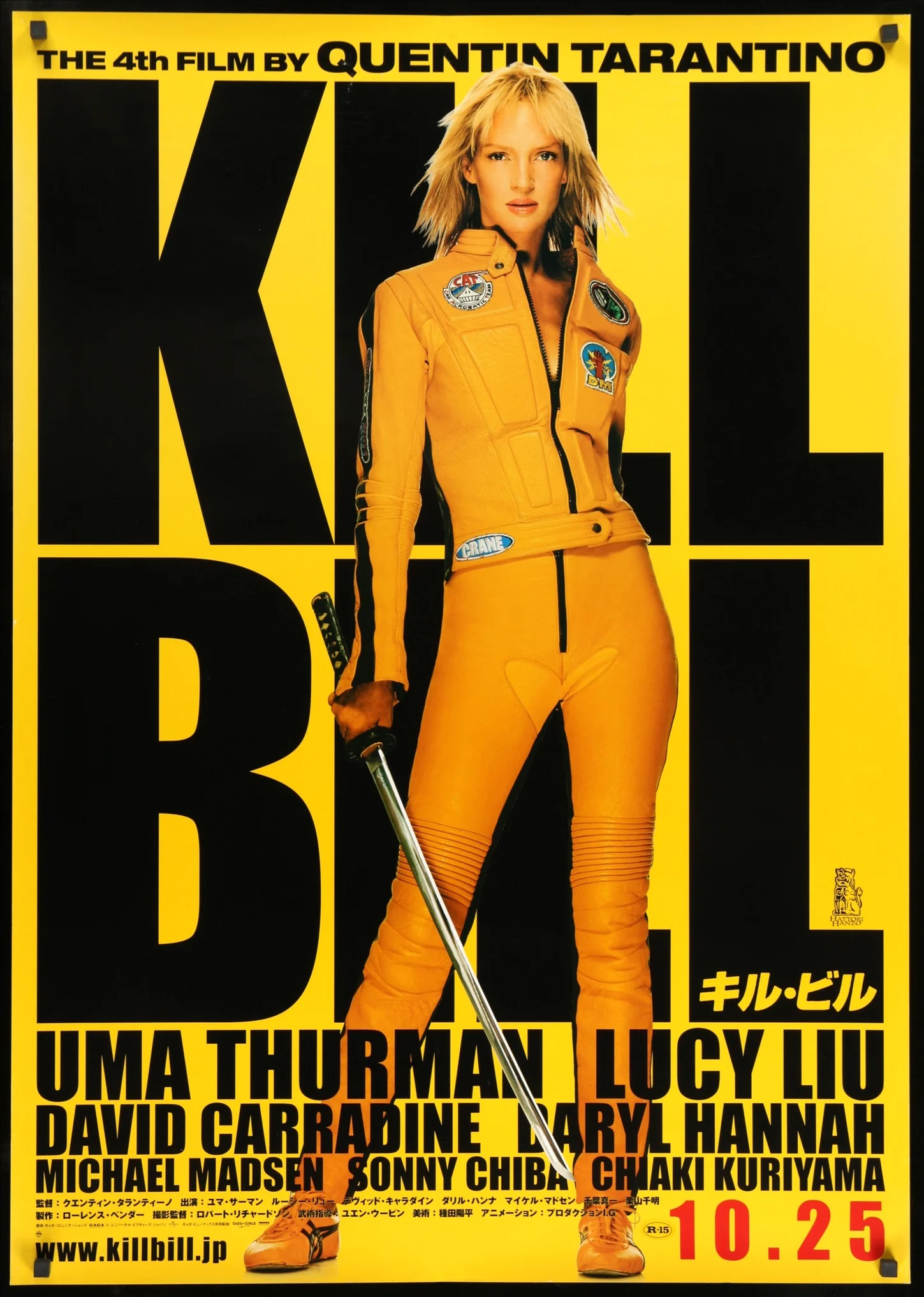
A yellow jumpsuit, a long list of enemies and one woman who refuses to be finished.
Read the retrospective
→