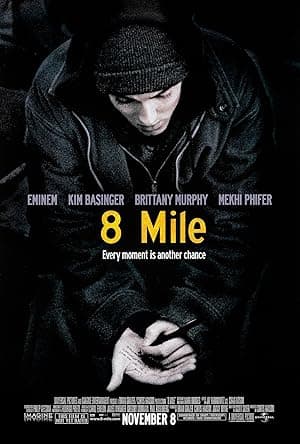
8 Mile
Trailer‑park grit, rap battles and one man trying to cross the line called 8 Mile.
Feature presentation
Put simply: this is Jimmy’s film. Curtis Hanson stages a working‑class coming‑of‑age story around a young rapper whose life is constantly being pulled toward the stage — and away from anything resembling security. Revisit it for the pressure of those battles, the way class and geography are written into every decision, and for a late‑nighter energy that still makes the film feel urgent.
THE MOVIE
James 'Jimmy' Smith Jr. (B‑Rabbit) is still the reason this movie works
What keeps 8 Mile alive in conversation isn’t a soundtrack or a single image; it’s the fact that the story stays stubbornly with one person trying to get out. The film follows Jimmy Smith Jr. — who performs as B‑Rabbit — a young rapper from a Detroit trailer park who works in an auto stamping plant and treats the local rap scene as his door out.
The plot gives him something sharp to fight against. An eviction and the pressures of his home life — including friction with his mother’s boyfriend — push him toward the very public rite of passage that the film insists on: the rap battle. Those stakes keep the drama compact and personal.
Curtis Hanson directs with purpose here. Released in 2002 and running a tight 111 minutes, 8 Mile channels themes of class and mobility through its central character: he wants to prove his artistic worth and to find a safer future for his sister. That desire is the engine; everything else is noise.
THE SETUP
The idea that sets 8 Mile in motion
8 Mile keeps its premise refreshingly simple: a young man with talent has to prove himself in public or stay where he is. Jimmy works factory hours by day and tries to make something real of his rap by night. That contrast — the blue‑collar daily grind versus the performative heat of the battles — is the movie’s basic energy.
The screenplay is built like a ladder of contests. Small setbacks in Jimmy’s life push him into larger public confrontations; rap‑battle sequences become the film’s high‑stakes moments where plot and emotion meet. Each contest tests him in front of a crowd and exposes how far he can carry his anger and ambition.
And the geography matters. The title refers to Detroit’s 8 Mile Road: in the story it’s more than a name, it’s a boundary line. Race, class and the map of the city are not background colour here — they’re literal mechanics that shape who gets to be heard and where.
All of which is to say the setup works because it limits the world to what Jimmy can affect: his family life, his friendships, and the mic. That focus makes the film brisk and propulsive without needing to be anything larger than a character’s attempt to get out.
THE CHARACTER
Why James 'Jimmy' Smith Jr. (B‑Rabbit) matters
Jimmy is memorable because he’s not given an easy road or a neat backstory that excuses him. He wants out — out of poverty, out of the trailer park, away from instability — and that makes every choice he makes feel necessary rather than decorative.
His motives are straightforward: escape, artistic validation and a safer life for his sister. That trio keeps him moral without making him saintly. He’s tied to his family — his mother vacillates between dependence and resilience — and that relationship forces him to carry responsibility rather than wander off in pursuit of fame.
The people around him aren’t window dressing. Future is the friend who keeps him in the scene and raps beside him; characters like Cheddar Bob and Wink give texture to the group’s loyalty and the problems that loyalty can cause. Their actions raise the stakes for Jimmy in ways that aren’t just symbolic: they affect his chances at the mic and off it.
Put another way: the movie is less interested in a glamorous rise than in what it takes for a kid from the margins to keep his head while everything else pushes him down. Jimmy’s decisions, small and large, are the film’s weather.
THE PERFORMANCE
Why Eminem's performance matters
Contemporary critics noticed that Eminem brought something the film needed: a screen presence that felt right for the material. Reviewers described his debut as effective and authentic for the story being told.
That authenticity isn’t just about casting a musician; it’s about having a central figure whose life on the page is aligned with his life off it, so the performance reads as lived‑in rather than theatrical in a different register.
Beyond the rap moments, the film also relies on Eminem’s musical contributions: he’s credited for the soundtrack, which keeps the movie tied to his voice both on and off screen.
So the performance matters because it reduces the distance between actor and role. In a film that depends on the pressure of public performance, having that believable centre is crucial.
UNDER THE SURFACE
8 Mile has more on its mind than the plot suggests
On the surface, it’s a coming‑of‑age built around contests. Underneath, it’s a film about class and mobility: the map of Detroit, the title line and Jimmy’s aspirations are continually in conversation. The road itself works as a shorthand for who is allowed where.
Race and belonging are folded into that geography. The boundary of 8 Mile is not just physical; it marks social limits. The film uses that line to make the point that belonging is negotiated — sometimes literally — in public spaces like the rap arena.
Authenticity in art is another running concern. The battles demand truth; putting words on the line in front of a crowd becomes a test of whether a performer’s story actually belongs to them. That pressure shapes how people speak and who they are allowed to be heard as.
Finally, masculinity and public performance thread through the film. The rap stage becomes a place where men prove themselves not only to the crowd but to one another, and friendship and family responsibility complicate that proving. The result is a movie where personal loyalties and public reputations constantly collide.
THE FILMMAKING
How 8 Mile was put together
Curtis Hanson and the production team stage the movie so live performance sits front and centre. The film privileges the lyric and the moment of confrontation over flashy spectacle, which means the camera often steps back and lets the words do the heavy lifting.
That choice keeps the rap sequences grounded. By foregrounding performance rather than visual fireworks, the movie asks viewers to pay attention to what’s being said and how an audience reacts.
It’s a practical decision with dramatic consequences: the battles read as events, not montages. The filmmaking is quietly disciplined in service of the game on the stage.
And because the material is about a very public kind of proving, letting the performances breathe gives those scenes their real charge.
PURE 00s
8 Mile could not belong to any other decade
There’s a reason the movie landed when it did: it arrived as hip‑hop was fully mainstreaming in the early 2000s, and the idea of a major rap artist crossing into cinema felt like a natural next step. The film sits at that crossroads between music industry ambition and film storytelling.
The soundtrack was part of that strategy. In 2002 the record and the movie were packaged together as cross‑platform promotion — the soundtrack was a major commercial release that kept the film present in the music world as well as cinemas.
Released in 2002, the film’s timing amplified its reach: it wasn’t just a movie about rap, it was a mainstream event that rode the era’s attention to crossover moments between pop culture platforms.
So while the themes are timeless, the way 8 Mile was marketed and received is very much a product of the early 00s media ecosystem.
WATCHING IT NOW
What has aged — and what hasn't
Some of the film’s strengths feel durable. The questions about race and belonging, and the way the 8 Mile boundary operates as a social marker, still read as pointed and relevant.
Similarly, the interpersonal bones — friends who support, friends who complicate, family responsibilities that won’t wait — still feel honest. Those relationships are specific and tether the drama so it doesn’t float on nostalgia alone.
There’s also a concrete sign of its moment: the film’s initial home‑video debut generated exceptionally large sales and rentals, a reminder that it hit a nerve for contemporary audiences and continued to find viewers after cinemas.
Taken together, those elements help the film keep its bite even when some surrounding details root it squarely in the early 00s.
THE LEGACY
Why 8 Mile still matters
There are a few straightforward reasons the film keeps coming up. The soundtrack and its centerpiece single were commercial successes, and the single 'Lose Yourself' received the Academy Award for Best Original Song — a concrete, high‑profile recognition.
The movie continued to find an audience after cinemas: its DVD debut generated very large sales and rentals, underlining that people were watching and re‑watching it beyond opening weekend.
Those facts help explain its afterlife: the music carried the film into other cultural spaces, and the film’s market performance kept it in circulation.
But perhaps more simply, it matters because it connected a mainstream audience to a story about trying to cross a hard line — socially, geographically and artistically.
THE VERDICT
Does 8 Mile still hold up?
Yes — but on specific terms. If you want a glossy star vehicle, this isn’t it. 8 Mile is a working‑class coming‑of‑age drama built around a young man who works in an auto stamping plant by day and has to fight for respect on the mic by night. That particular tension still lands.
The film’s structure — setbacks in Jimmy’s life leading to increasingly high‑stakes rap battles — remains satisfying because those contests are dramatic and definitively earned. The 8 Mile boundary continues to function as a blunt and useful metaphor for the social limits the character is trying to cross.
Character matters here more than spectacle: Jimmy’s motivations (escape, artistic validation, and protecting his sister) and the pressure of family instability give his choices urgency. The antagonism from a rival crew and interpersonal betrayals raise the stakes in ways that feel narratively coherent rather than tacked on.
So should you watch it now? If you’re interested in a character‑led story about class, belonging and the cost of trying to be heard, 8 Mile still delivers. It’s a film about a moment — not a miracle — and that moment is still worth sitting through.
Share this movie
Keep watching
More movies from the 00s
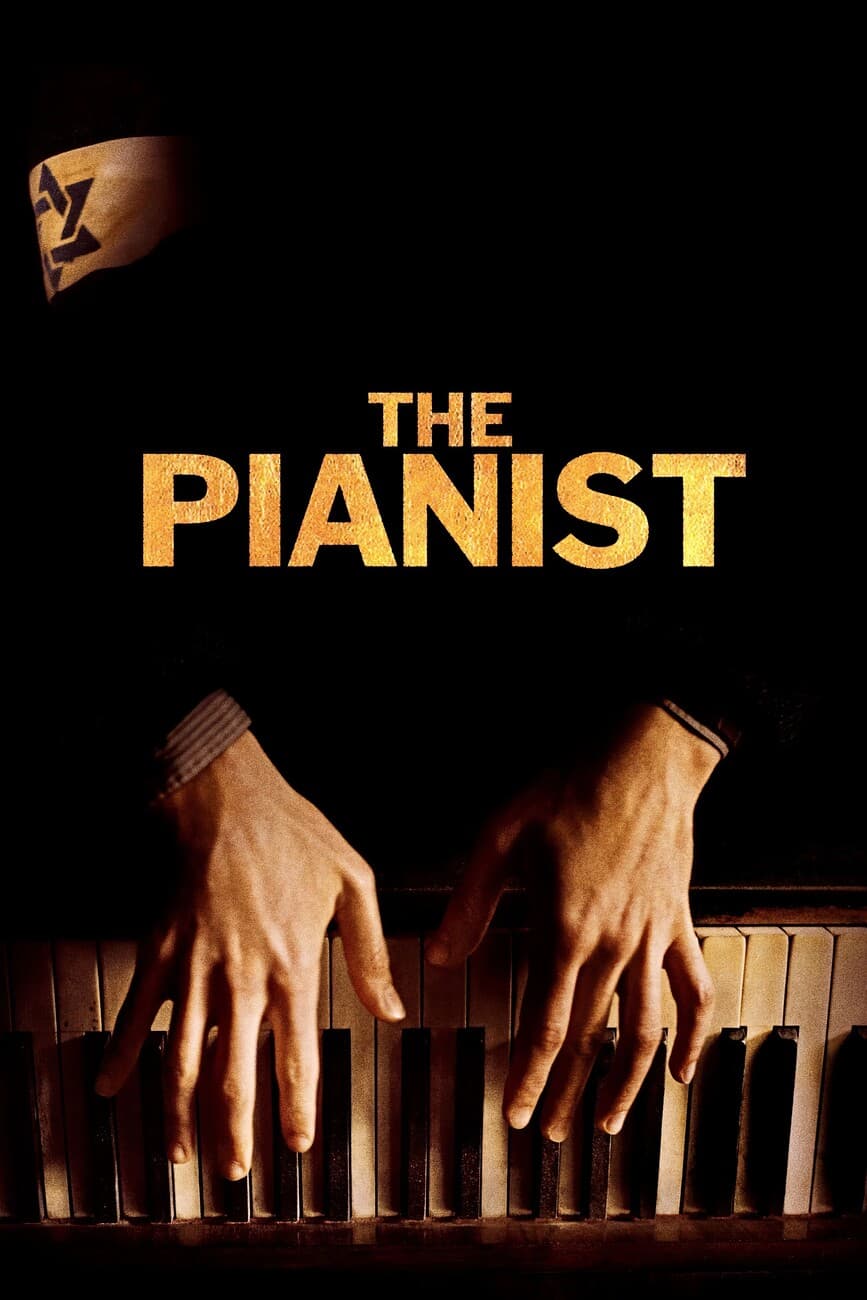
2002
The Pianist
A quiet life unmade by war — and a pianist who refuses to stop listening.
Read the retrospective
→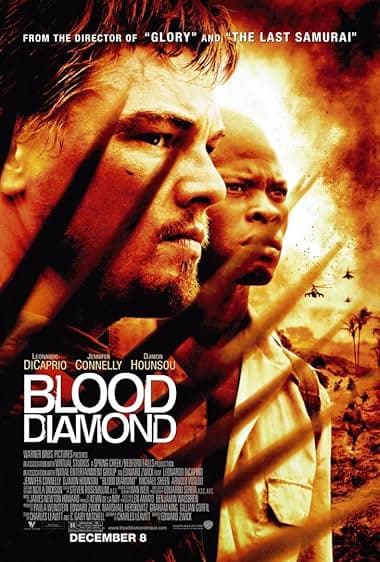
2006
Blood Diamond
A mercenary, a fisherman and a pink diamond — and a film that still asks who pays for our jewellery.
Read the retrospective
→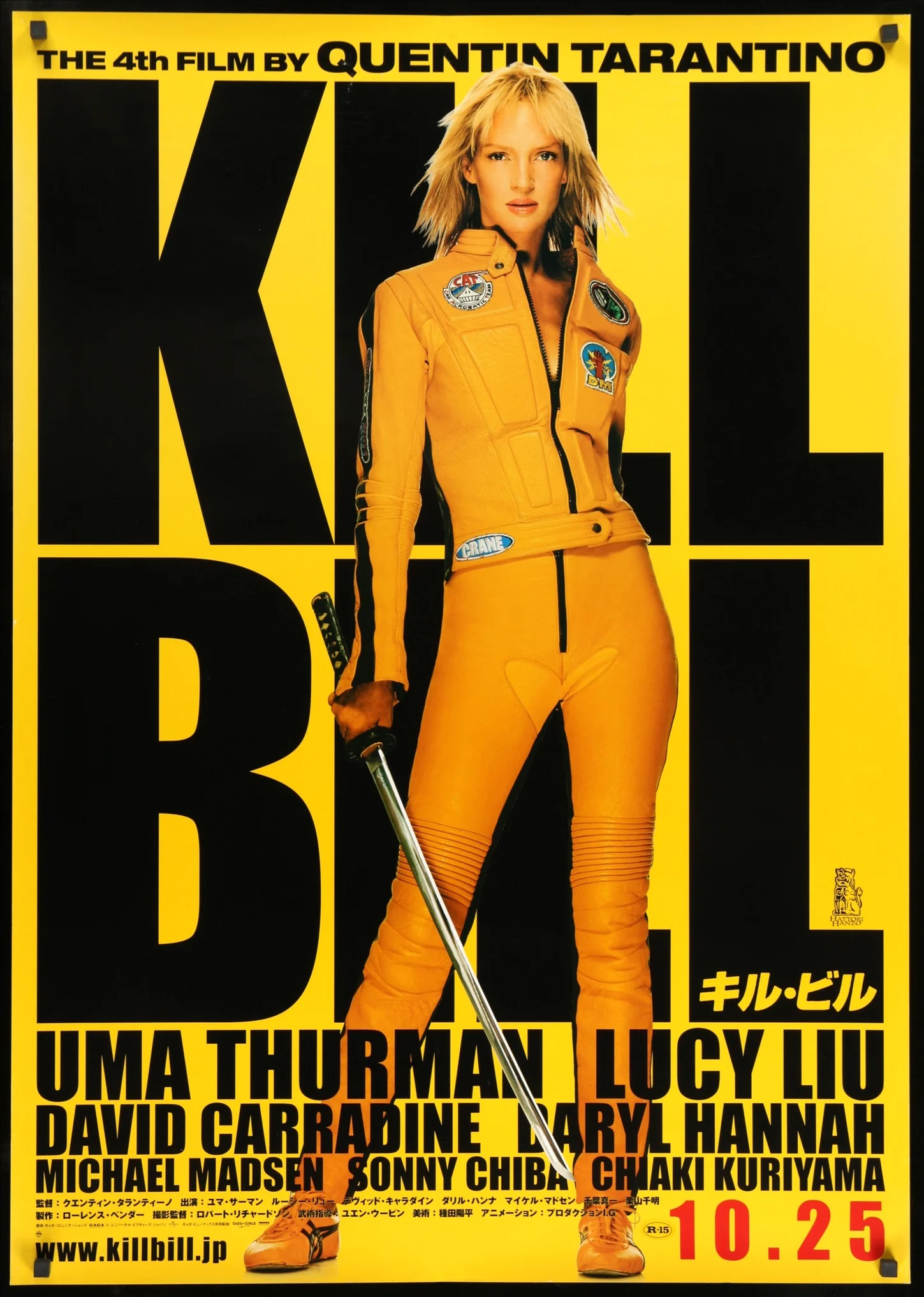
2003
Kill Bill: Volume 1
A yellow jumpsuit, a long list of enemies and one woman who refuses to be finished.
Read the retrospective
→