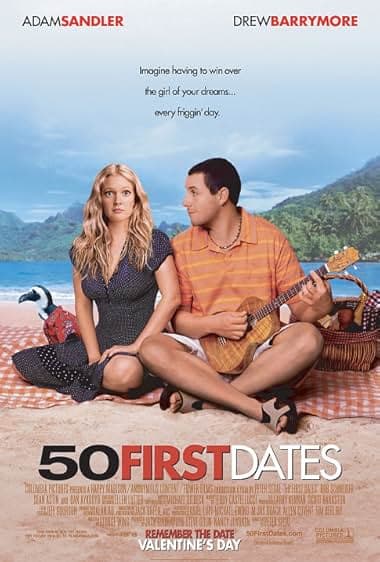
50 First Dates
A love story that has to start over every morning — and a bloke who chooses to stay.
Feature presentation
There’s a neat cruelty in 50 First Dates: the rom‑com repeats its central realisation until you accept it as ordinary. Henry Roth meets Lucy Whitmore in sunlit Hawaii, discovers she forgets him overnight, and decides that ordinary life from now on means reintroducing himself every day. It sounds daft on paper. On film it becomes a peculiar test of what romance — and devotion — can realistically be asked to do.
THE MOVIE
Henry Roth is still the reason this movie works
50 First Dates hooks you with a very specific, repeatable conceit: Henry Roth, a marine veterinarian living and working in Hawaii, meets Lucy Whitmore, who cannot form new memories after a traumatic head injury and therefore resets each night. That notch of premise — love tested by a condition that erases tomorrow — is what turns ordinary rom‑com beats into something oddly urgent.
The film asks a simple question again and again: if the person you love forgets you every day, what do you do? For Henry, the answer is practical and total. He starts to rearrange his life around Lucy’s needs; he becomes the person who returns each morning with a patient, performative persistence that replaces continuity with ritual.
Directed by Peter Segal and running a neat 96 minutes, 50 First Dates pairs Adam Sandler and Drew Barrymore in a story that trades on their chemistry and on a sentimental core that some reviewers praised and others found too soft around the edges. It’s a rom‑com that wears its earnestness on its sleeve — and expects you to either lean in or walk away.
THE SETUP
The idea that sets 50 First Dates in motion
At its centre the movie isn’t trying to astonish with plot twists; it simplifies the problem so the comedy and tenderness can live on top of it. After the car accident that caused Lucy’s memory impairment, Henry’s romantic life becomes a logistical puzzle: how to keep her safe and how to win her affection again and again.
That structure — a relationship presented as a series of repeated 'first dates' rather than a linear love story — is both the film’s comic engine and its emotional gamble. Each morning resets stakes and invites fresh jokes; every evening reintroduces the moral question about the fairness of the setup.
The screenplay tilts between set pieces that play for laughs and quieter scenes that deal with the daily mechanics of caregiving. It’s a neat balancing act: some moments ask you to laugh at the absurdity, others to notice the effort behind the absurdity.
Ula and Lucy’s circle of friends add texture and friction: they are the social map Henry must learn to navigate if he’s to become part of Lucy’s repeated world, not just the man who turned up once and then left.
THE CHARACTER
Why Henry Roth matters
Henry starts the film as a recognisable Sandler setup: a local guy, a marine vet, a bit of a womaniser and a comfortable outsider. That last part matters because the movie asks him to stop being an outsider overnight — literally and figuratively.
What makes Henry memorable isn’t a single grand speech; it’s the accumulation of small choices. He becomes the kind of person who rearranges his life so Lucy can wake up to a coherent world. That shift from casual to committed is the story’s spine.
The people around Lucy — her brother Doug and the restaurant crowd — are not merely background colour. They provide the obstacles and the social choreography Henry must respect. To be in Lucy’s life, he has to win over that group as much as he has to win Lucy herself, every single day.
And because Sandler and Drew Barrymore had already worked together in The Wedding Singer, the film starts with a shorthand. That prior pairing gives their reunion here a familiarity that the story then asks to be repurposed into genuine endurance rather than easy nostalgia.
UNDER THE SURFACE
50 First Dates has more on its mind than the plot suggests
On the surface it’s a rom‑com with a neat gimmick. Underneath it starts asking how memory stitches a person together. If Lucy wakes up without yesterday, who is the person she knows — and who are we if the one who remembers is the only constant?
That question makes the film less interested in fate and more interested in work. Love here is not a hit of destiny; it is labour, ritual and reinvention. The movie frames caregiving as sacrificial commitment: it’s about remaking your life to become another person’s continuity.
Because the film is anchored in rom‑com conventions — meet‑cute, obstacles, comic relief, supporting friends — those heavier ideas are given a soft landing. The genre provides a comfortable shape for an oddly serious problem, letting the movie talk about identity without asking the audience to sign up for a lecture.
In short, memory and identity are the quietly persistent themes: the comedy keeps things light, but the story uses that lightness to argue that persistence and creativity can stand in for the steady continuity memory usually provides.
PURE 00s
50 First Dates could not belong to any other decade
Released in February 2004 and neatly slotted into the Valentine season, the film is a product of its marketing moment: broad studio rom‑com aimed at a mass audience and built around two familiar stars. That positioning feels very 2000s — a movie made to be easily booked into a date night slot.
Pairing Sandler and Drew Barrymore again was a clear commercial hook. Their earlier outing in The Wedding Singer had given audiences a template for their chemistry, and reuniting them here recycled that goodwill while asking the audience to accept a slightly different tone — gentler, steadier, more committed.
The film sits alongside a run of early‑2000s Adam Sandler comedies that often blended broad humour with sentimental notes; 50 First Dates leans into the sentimental side and into a premise that trades on repeated novelty rather than plot complexity.
One consequence of that choice: critics at the time were divided. Some appreciated the warmth at the centre and the leads’ rapport, while others pointed out that the movie’s medical premise didn’t match clinical descriptions of amnesia — a tension between emotional aims and factual accuracy that feels very of its moment.
THE LEGACY
Why 50 First Dates still matters
Part of the film’s ongoing presence is simply that it gave viewers a recognisable, repeatable idea: a rom‑com premised on a daily reset. That concept lodged in public conversation enough that the film earned mainstream attention, including a Best On‑Screen Team award at the 2004 MTV Movie Awards for Sandler and Barrymore.
It also remains one of Sandler’s higher‑profile studio rom‑coms from the decade, which means people keep returning to it when talking about his work outside his broader comedy catalogue. The film’s mix of broad jokes and a sentimental core makes it a frequent reference point in discussions about how Hollywood treats memory loss on screen.
That latter point matters because the movie sits awkwardly between the demands of genre and the realities of the condition it depicts. Conversations about how films portray amnesia still find 50 First Dates a useful example — not always in praise, but because it asks an ethical question the audience remembers.
So its legacy is twofold: a pop‑culture shorthand for a peculiar romantic conceit, and a recurring touchstone in debates about memory, identity and cinematic responsibility.
THE VERDICT
Does 50 First Dates still hold up?
Yes — if you go in for its particular mix of sentiment and silliness. The central dramatic mechanism is clear and uncompromising: Lucy’s severe short‑term memory impairment forces Henry to reintroduce himself and rebuild their relationship every day, and the film asks you to accept that rhythm as the premise for its jokes and its tenderness.
When it works, the movie turns persistence into a kind of romantic heroism. Henry’s decision to adapt his life around Lucy’s needs — to keep showing up, to invent practical routines, to win a place in her social world — reframes romance as sustained labour rather than a single, heroic conquest.
There are costs. The screenplay’s framing of repeated 'first dates' balances charming set‑pieces against the logistical and ethical problems the premise raises; critics at the time pointed out that the film’s treatment isn’t clinically accurate, and that tension still feels visible. Roger Ebert noted the film plays the material relatively straight and that Sandler’s persona is warmer and less hostile here — an observation that helps explain why the film leans into sincerity.
So should you watch it? If you want an hour‑and‑a‑half rom‑com that asks you to root for devotion practised as daily invention, this is an agreeable choice. If you’re looking for a medically rigorous drama or a cynical satire of romance, look elsewhere. In short: it holds up as a romantic comedy about choice and care — and Henry’s choice to keep coming back is the movie’s enduring, if slightly daft, point.
Share this movie
Keep watching
More movies from the 00s
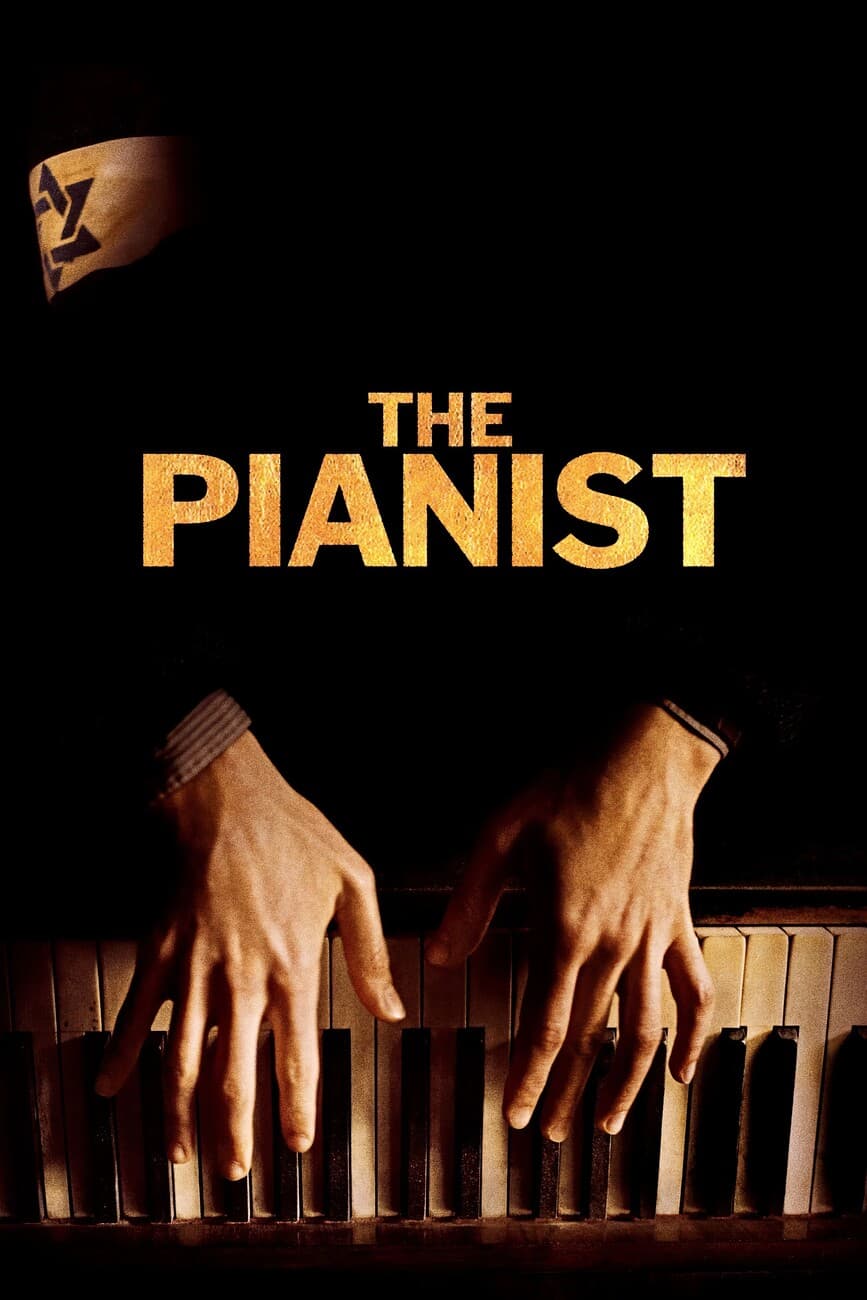
2002
The Pianist
A quiet life unmade by war — and a pianist who refuses to stop listening.
Read the retrospective
→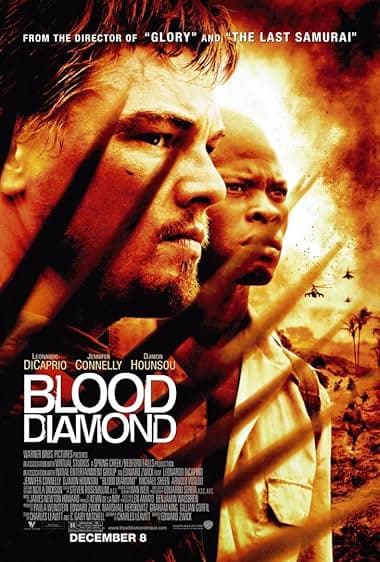
2006
Blood Diamond
A mercenary, a fisherman and a pink diamond — and a film that still asks who pays for our jewellery.
Read the retrospective
→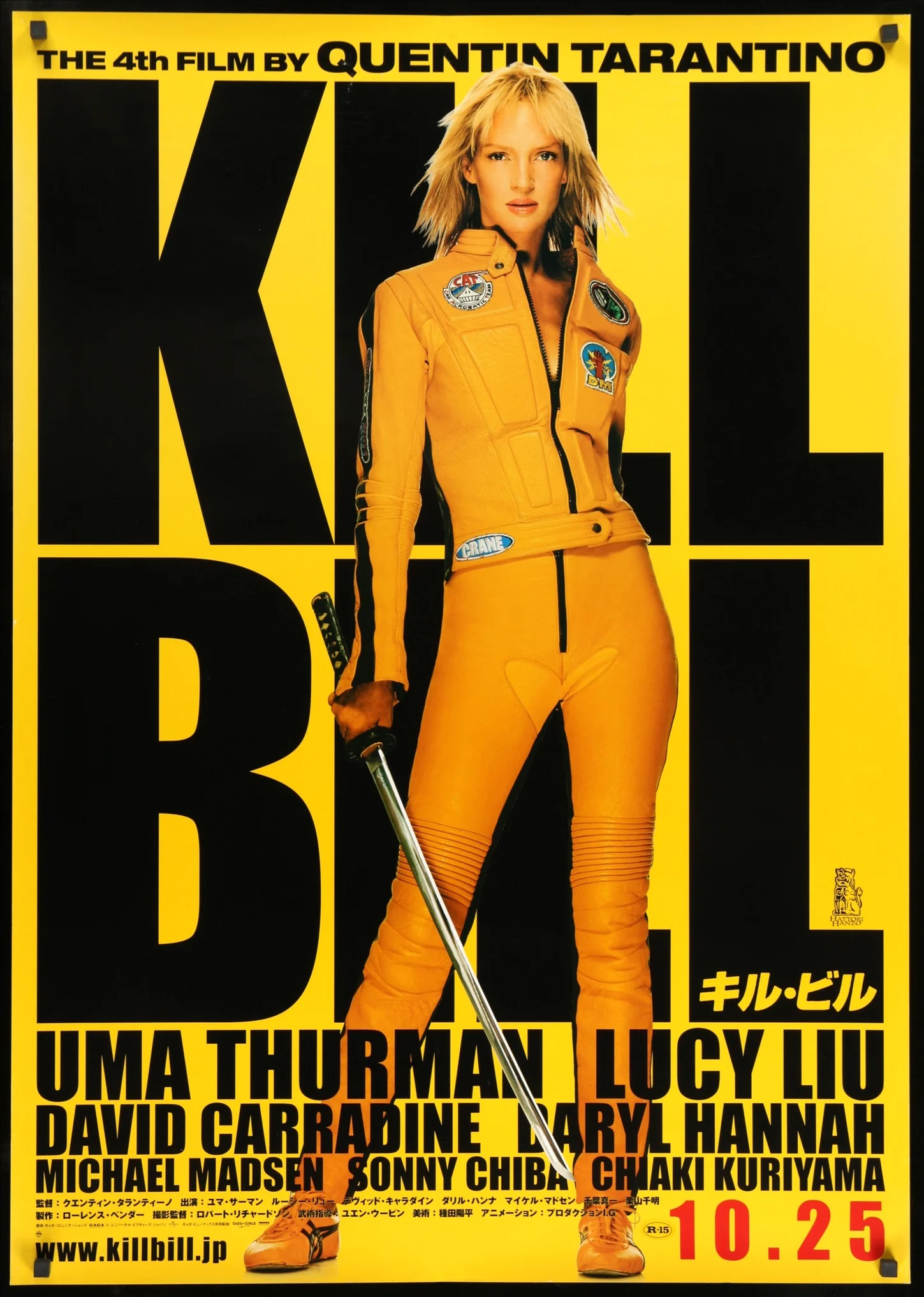
2003
Kill Bill: Volume 1
A yellow jumpsuit, a long list of enemies and one woman who refuses to be finished.
Read the retrospective
→