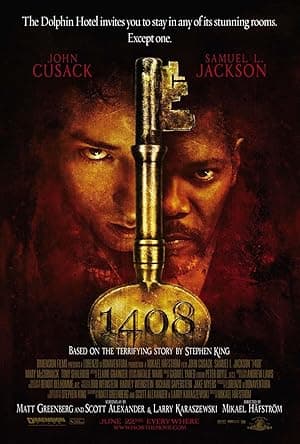
Feature presentation
1408 is the kind of horror that arrives not with flashy monsters but with a man and a single door. Mikael Håfström's adaptation keeps the drama tight and the questions simple: what happens when a professional debunker walks straight into the thing he cannot explain? If you care about characters as much as chills, this is the mid-00s King film that still rewards rewatching.
THE MOVIE
Mike Enslin is still the reason this movie works
People still talk about 1408 because it keeps the focus where it matters: on a single man and the terrible private thing he refuses to face. The set-up is deliberately simple — a sceptical writer, Mike Enslin, receives an anonymous postcard warning him not to enter Room 1408 at the Dolphin Hotel, and decides to stay anyway — but simplicity lets the performance and the premise breathe.
Samuel L. Jackson's hotel manager, Gerald Olin, does the sensible job of being the voice that says 'don't go' and gives the film its ledger of history: the room has been tied to dozens of deaths over many decades. That warning matters because it turns the hotel into more than backdrop; it becomes a ledger of other people's endings.
Underneath the procedural hook, 1408 is quietly personal. Enslin's public life as a debunker fits neatly against a private grief over his dead daughter, and that grief is exactly what the room chooses to unpick. It's a horror film that prefers to work from the inside out — character first, spectacle second — and that choice is why the movie still holds attention.
THE SETUP
The idea that sets 1408 in motion
At heart 1408 rests on one tidy conceit: a writer who makes money debunking hauntings deliberately checks into a room he’s been warned not to enter. That posture — professional sceptic meets an obvious supernatural red flag — gives the film an immediate narrative engine.
Once inside, the film keeps the geography cramped. Enslin faces escalating, reality-bending phenomena that repeatedly trap him in the room; the menace often arrives through personal hallucinations and through time-and-clock tricks that make the night itself feel elastic and cruel.
The movie also expands Stephen King's short story to make the stakes emotional as well as physical. By adding Enslin’s estranged wife and a dead daughter into the picture, the room’s attacks stop being generic scares and become aimed at a particular pain the protagonist cannot yet admit to.
THE CHARACTER
Why Mike Enslin matters
Mike Enslin isn't just the protagonist; he's the reason the film becomes more than a series of jolts. His public persona is a sceptic — someone who makes a living exposing hoaxes — which gives him something to lose when the room chooses to weaponise his private life.
The emotional core is straightforward and grim: Enslin carries the grief and guilt of a dead daughter and an estranged marriage, and those relationships mostly appear through memories and the room's manipulations. Because the film ties its scares to his loss, every supernatural twist reads as a direct assault on his ability to keep pretending.
That personal focus makes the movie feel claustrophobic in an emotional way as well as a physical one. The room doesn't just threaten his body; it picks at exactly the place where he is weakest, which is a neat, economical way to make a haunted-room story feel intimate rather than generic.
THE PERFORMANCE
Why John Cusack's performance matters
A lot of the film’s strength comes from how the central performance carries the audience through tight, sustained pressure. Contemporary critics singled out John Cusack’s work as the anchor that holds the material together, pointing to the way his performance escalates as the situation worsens.
Because the story largely takes place in one room, the lead has to be a convincing focal point for the audience’s attention. The film asks the viewer to stay with one man's breakdown, and that demand is what makes the casting choice pivotal.
UNDER THE SURFACE
1408 has more on its mind than the plot suggests
Beneath the jump-scares and creaking doors, 1408 is quietly preoccupied with grief, guilt and belief. The film stages a conflict between a man's professional habit of disbelief and the private pain that disbelief cannot fix.
Isolation is central, too: a single-location set-up turns the hotel room into a pressure chamber where perception itself becomes unreliable. The room toys with reality and time, so the film’s tension depends as much on psychological entrapment as on supernatural threat.
Put simply, the horror here is not only that something is haunting the room but that the room forces the protagonist to confront what he has been refusing to see. That blend of personal trauma and reality-bending menace gives the film a weight that outlives any single scare.
THE FILMMAKING
How 1408 was put together
1408 is a textbook example of building a feature from a short-story idea: the production expands Stephen King's premise with added characters and set pieces so the single location can carry a full-length narrative. That decision keeps the drama tightly focused and makes every change in the room significant.
Credit in the frame goes to Benoît Delhomme as director of photography and Andrew Laws as production designer — names that appear on the primary credits and who shape how the room reads on screen. The film relies on practical set design and in-camera staging to suggest that the room's topology itself is changing, rather than hiding everything behind obvious CGI.
Those choices make the room feel lived-in and mutable, which is exactly the filmmaking trick the story needs: when the space itself becomes an antagonist, the tension becomes architectural as well as emotional.
PURE 00s
1408 could not belong to any other decade
1408 is very much a mid-00s thing: released in June 2007, it arrived during a year that saw multiple Stephen King adaptations on screens. That context matters because the film sits among peers attempting to translate King's short, intense moods into movie form.
Within that crowded landscape it earned a reputation as one of the stronger adaptations of the decade — not by trying to reinvent King, but by giving the short story space to become a compact, character-led feature. The result feels like a particularly 2000s approach to horror: faithful to source atmosphere while reshaping it for a mainstream, mid-budget release.
All of which makes the film a neat time-capsule: a studio-backed, single-location psychological horror that prefers a slow burn and a performance-driven centre over louder spectacle.
WATCHING IT NOW
What has aged — and what hasn't
In hindsight, 1408's strengths are also the reasons it still plays: modern retrospectives keep praising its contained, character-focused approach, and reappraisals frequently return to the film as an underappreciated mid-2000s King adaptation.
Interest in the movie has remained steady enough for collector editions to keep appearing — most notably a 4K release in 2026 that packaged theatrical and director’s cuts — which has prompted fresh takes and new viewers discovering the different endings.
Where it can feel dated is in expectation rather than craft. Audiences who prefer faster, franchise-scale horror might find the single-room, character-first pacing deliberate. But for anyone who values tension built from character and confined dread, the film's central setup still rewards patience.
THE LEGACY
Why 1408 still matters
1408's legacy is modest and clear: it did solid business relative to its reported budget and settled into a favourable place among 2000s King adaptations, often being named as one of the better turns out of that run of films.
It has also stayed visible through home-video editions. The fact that both a theatrical cut and a director's cut (with a darker ending) have circulated — and that a collector-oriented 4K SteelBook appeared in 2026 — shows there remains an audience invested enough to demand different versions.
All of which means 1408 matters not because it changed the language of horror, but because it proved a tight, character-led approach to King’s material could work in the 2000s marketplace and continue to repay attention years later.
THE VERDICT
Does 1408 still hold up?
Yes — but with a rider. 1408 works today when you watch it for what it is: a compact, character-driven psychological horror about grief, guilt and the collision of professional scepticism with personal loss. John Cusack's Mike Enslin is the film's engine, and the way the room turns his private wounds into the very thing that haunts him is both tidy and affecting.
The film’s reliance on a single location and on personal hallucination/time mechanics keeps the stakes intimate rather than blockbuster-big, which will please viewers who favour slow pressure over spectacle. The presence of multiple cuts — theatrical and a darker director’s cut — also means there are slightly different tonal options for how bleak you want the ending to feel.
If you like horror that leans on performance, mood and a clever central conceit, 1408 still rewards a watch. If you come for non-stop thrills or franchise-level shocks, it will feel more like a slow burn. Either way, the film earns its keep because it makes the haunted-room story into a night of reckoning instead of just a haunted-set-piece parade.
Final thought: 1408 doesn't reinvent fear, but it makes the act of looking inward feel like the scariest thing in the building — and that, most nights, is enough.
Share this movie
Keep watching
More movies from the 00s
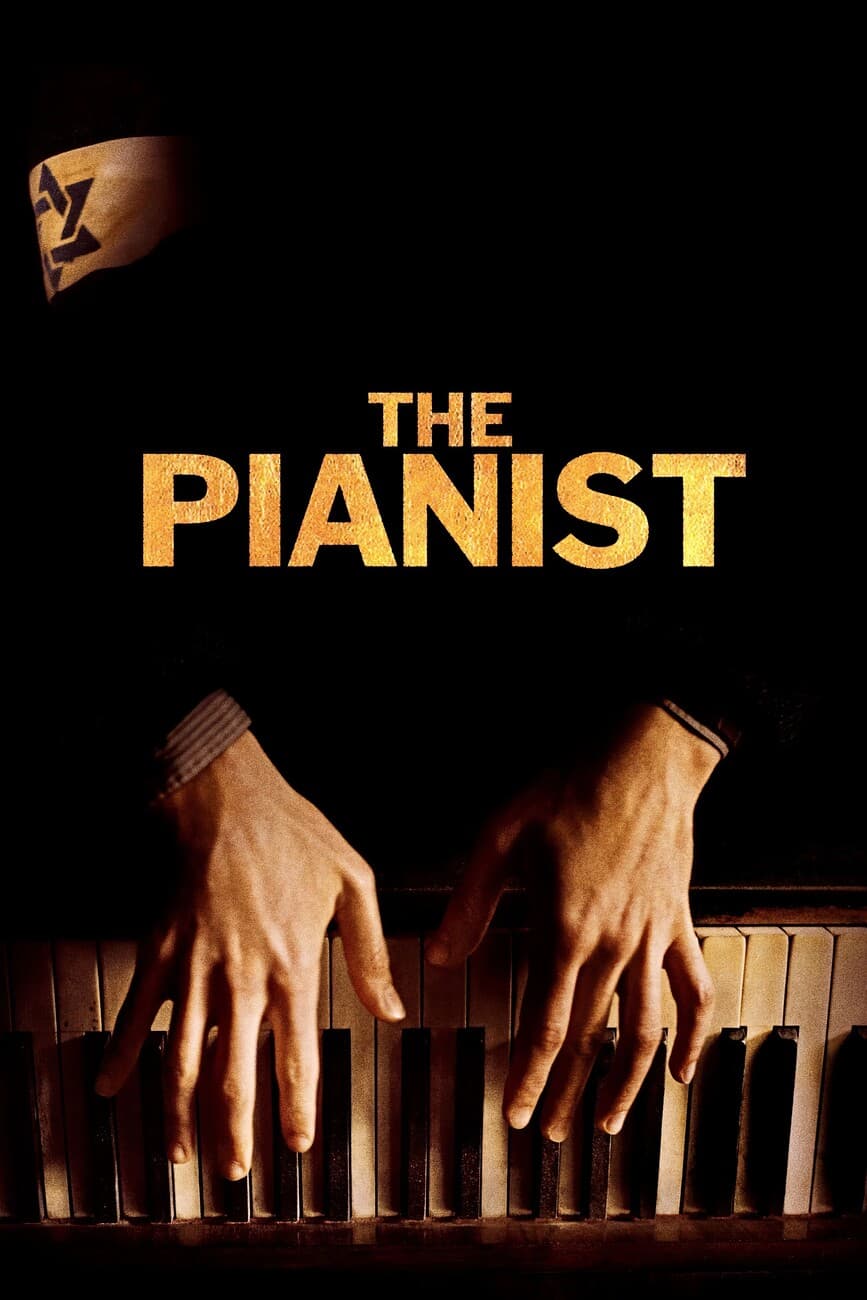
2002
The Pianist
A quiet life unmade by war — and a pianist who refuses to stop listening.
Read the retrospective
→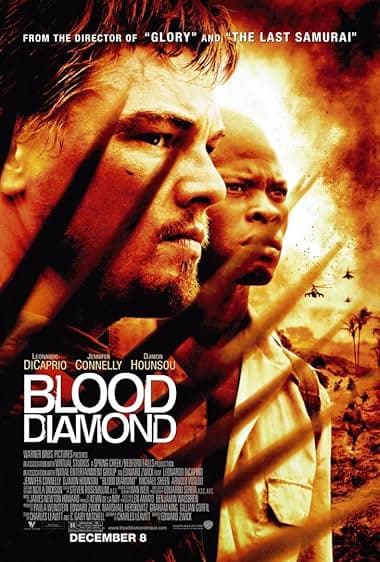
2006
Blood Diamond
A mercenary, a fisherman and a pink diamond — and a film that still asks who pays for our jewellery.
Read the retrospective
→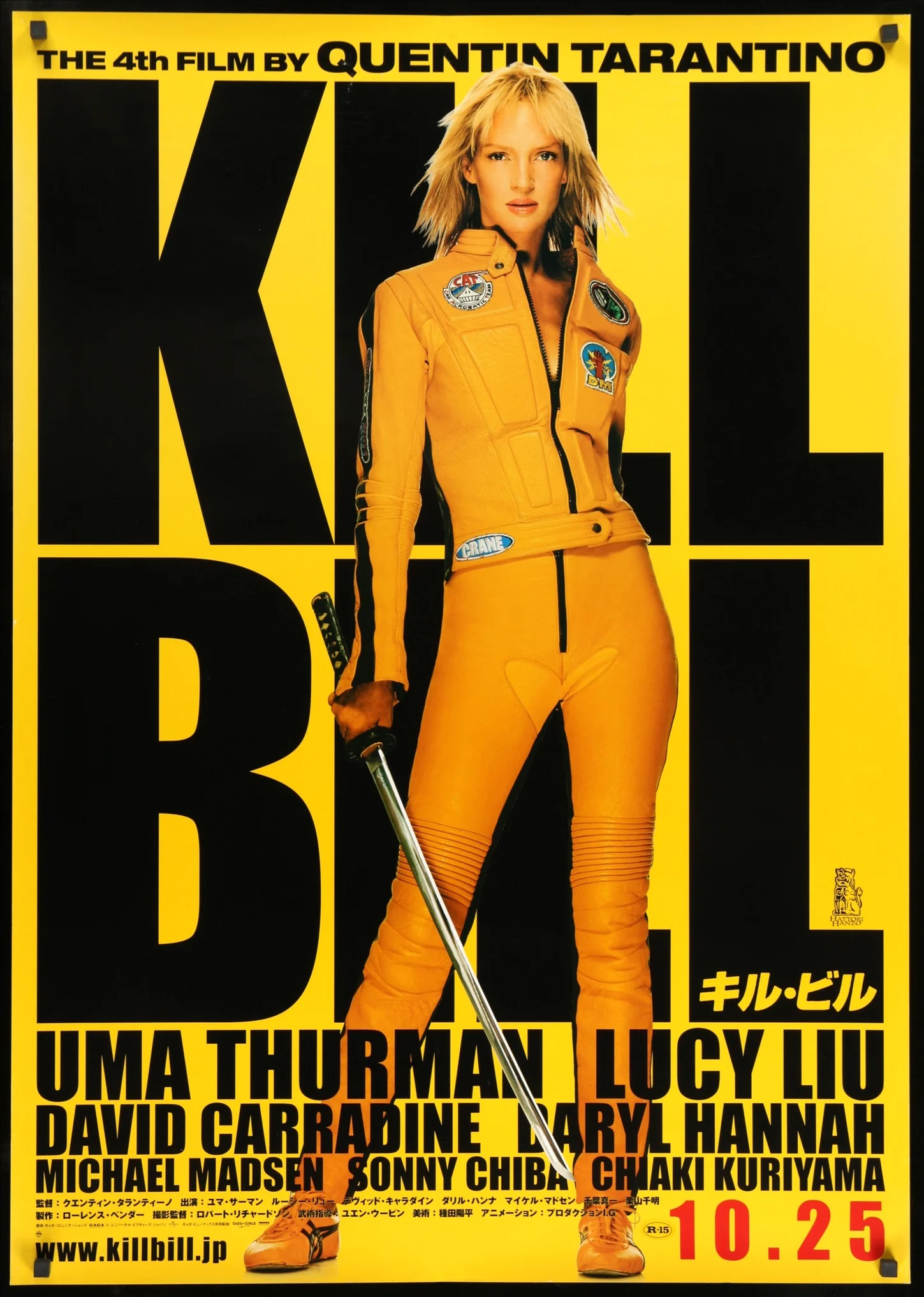
2003
Kill Bill: Volume 1
A yellow jumpsuit, a long list of enemies and one woman who refuses to be finished.
Read the retrospective
→